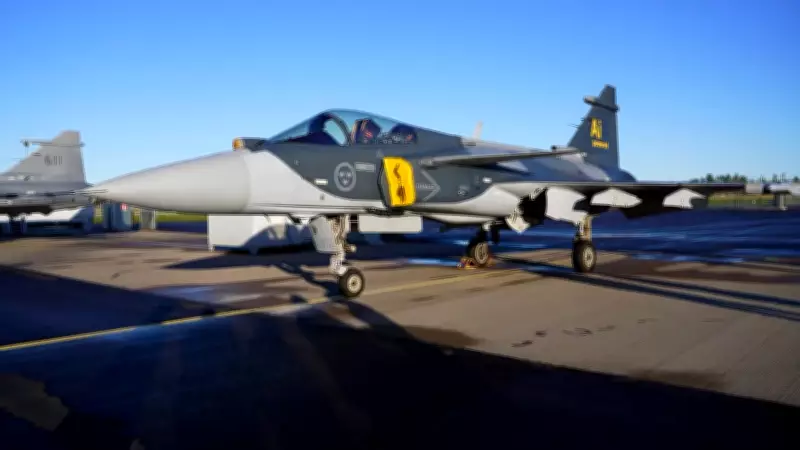
Sweden's Gripen Fighter Jets: How a NATO Deployment Could Influence Canadian Procurement
In a strategic move that could reshape defense procurement dynamics, Sweden's JAS 39 Gripen fighter jets are poised to leverage NATO missions to potentially boost their sales prospects in Canada. As Canada continues its search for modern fighter aircraft to replace aging fleets, the Gripen's participation in NATO operations offers a unique demonstration platform that may sway decision-makers in Ottawa.
Enhanced Operational Visibility Through Alliance Missions
The integration of Gripen jets into NATO missions provides an unprecedented opportunity for Canadian defense officials to evaluate the aircraft's capabilities in real-world scenarios. This operational exposure goes beyond traditional test flights and manufacturer presentations, offering tangible evidence of performance, reliability, and interoperability with allied forces. Such firsthand experience could prove invaluable as Canada weighs its options among competing fighter jet models from various international suppliers.
Demonstrating Interoperability and Technical Superiority
Participation in NATO operations allows the Gripen to showcase its advanced technological features and seamless integration with allied defense systems. The aircraft's electronic warfare capabilities, sensor fusion technology, and network-centric warfare compatibility become particularly relevant in multinational exercises and missions. This demonstration of technical prowess and alliance interoperability addresses key concerns in Canada's procurement criteria, potentially giving the Swedish fighter an edge over competitors who lack similar NATO deployment experience.

This development comes at a critical juncture in Canada's defense modernization efforts. With increasing geopolitical tensions and evolving security challenges, the Canadian government faces pressure to make prudent investments in military capabilities. The Gripen's NATO mission participation offers a compelling case study of how the aircraft performs under actual operational conditions, providing data points that could influence the final procurement decision.
Economic and Industrial Benefits Considerations
Beyond pure military capabilities, the potential Gripen sale to Canada carries significant economic implications. Swedish manufacturer Saab has emphasized industrial partnership opportunities, including technology transfer and job creation in Canadian aerospace sectors. The NATO mission deployment strengthens Saab's value proposition by demonstrating the aircraft's operational readiness and reducing perceived acquisition risks for Canadian taxpayers.
Geopolitical Implications of Defense PartnershipsThe potential Gripen sale represents more than just a commercial transaction; it signifies deepening defense cooperation between Canada and Sweden within the NATO framework. This alignment could have broader strategic implications for transatlantic security architecture and defense industrial collaboration. As both nations navigate complex global security environments, shared operational experience through NATO missions creates natural pathways for enhanced defense partnership.
While Canada's fighter jet procurement process remains competitive with multiple contenders vying for the lucrative contract, Sweden's strategic deployment of Gripen aircraft in NATO missions creates a distinctive advantage. This real-world demonstration platform allows Canadian decision-makers to evaluate the aircraft's capabilities beyond technical specifications and manufacturer claims, potentially influencing one of the most significant defense procurement decisions in recent Canadian history.