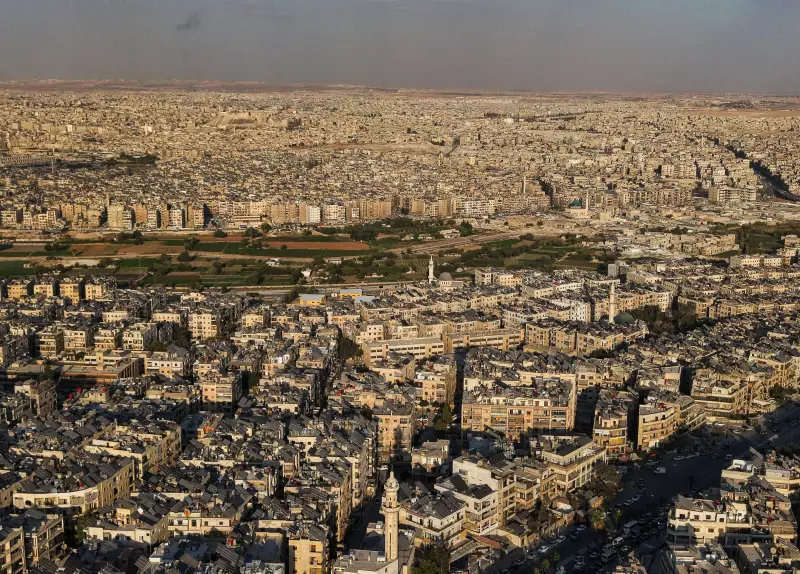
Syrian security forces have disclosed that they thwarted a planned series of attacks by the Islamic State (ISIS) militant group targeting churches during New Year's Eve celebrations. The announcement was made on January 1, 2026, detailing a coordinated plot intended to strike at places of worship as revelers gathered to mark the beginning of the new year.
Details of the Foiled Terrorist Plot
According to statements from Syrian officials, the Islamic State orchestrated a plan to carry out simultaneous assaults on multiple churches. The attacks were scheduled for the evening of December 31, 2025, aiming to exploit the large gatherings typically associated with New Year's Eve services and events. While the specific locations and number of churches targeted were not fully detailed in the initial report, the intent was to cause mass casualties and instill fear during a global holiday period.
The revelation underscores the persistent threat posed by ISIS affiliates in Syria and the broader region, despite the group's territorial losses in recent years. Syrian authorities indicated that security measures were heightened in anticipation of potential holiday-season threats, leading to the discovery and disruption of the planned operations.
Regional Security Context and Implications
This foiled plot occurs within a complex and volatile security landscape in Syria. The country continues to grapple with the aftermath of prolonged conflict, with various factions and extremist groups still active in different regions. The Islamic State, in particular, has shifted to more asymmetric tactics, including guerrilla-style attacks and targeted bombings, after losing its last major strongholds.
The targeting of religious sites, especially during significant holidays, represents a deliberate strategy to sow sectarian division and maximize psychological impact. Churches and other minority places of worship have been frequent targets for ISIS in Syria and Iraq, part of the group's ideology that condemns religious pluralism.
The announcement on January 1st serves as a stark reminder of the ongoing counter-terrorism challenges facing not only Syria but the international community. It highlights the need for sustained intelligence and security cooperation to prevent such attacks, which aim to destabilize fragile regions and target vulnerable communities.
Global Counter-Terrorism and the Path Forward
While the immediate threat was averted, the incident points to the enduring capability of extremist networks to plan complex attacks. For Canadian observers and the global audience, it reinforces the importance of vigilance and international collaboration in combating terrorism. The flow of foreign fighters, online radicalization, and the spread of extremist ideology remain pressing concerns for security agencies worldwide.
The Syrian government's disclosure is likely to prompt renewed discussions among allied nations about the resources and strategies required to counter the evolving threat of ISIS and similar organizations. The protection of religious freedom and the safety of minority groups in conflict zones continue to be critical humanitarian and security priorities.
As the world moves into 2026, this event is a sobering start to the year, emphasizing that the work of building peace and ensuring security is far from complete in many parts of the globe.