Regional Tanker Attacks Escalate Amid Widening U.S.-Iran Conflict
The strategic waterways of the Middle East have become increasingly volatile as multiple commercial tankers have come under attack in recent operations. This dangerous escalation directly coincides with the expanding military and diplomatic confrontation between the United States and Iran, raising significant alarms for global maritime security and energy supply chains.
A Pattern of Maritime Aggression
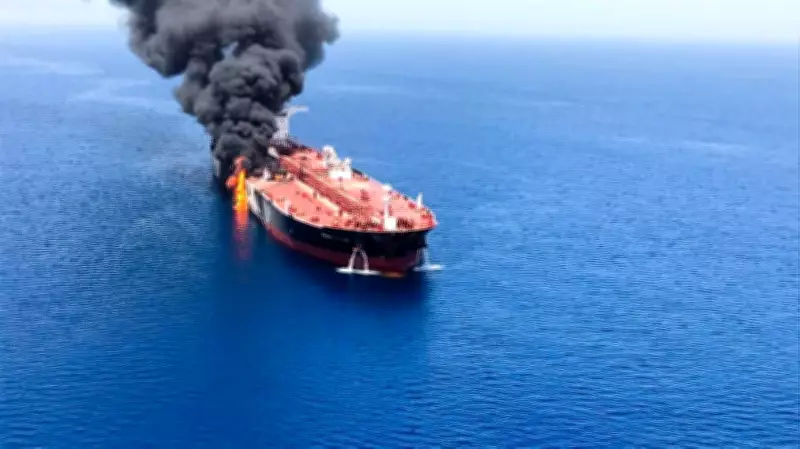
Reports confirm a series of targeted strikes against oil and chemical tankers transiting through key regional chokepoints. While specific casualty figures and damage assessments from the latest incidents remain under investigation by naval authorities, the pattern points to a deliberate campaign impacting international shipping lanes. These waterways are critical arteries for global energy exports, and any sustained disruption threatens to trigger broader economic consequences.
The timing of these attacks is not coincidental. They occur against a backdrop of heightened rhetoric and retaliatory actions between Washington and Tehran. Military analysts note that targeting commercial shipping has historically been used as a form of asymmetric warfare in the region, intended to exert pressure without triggering full-scale conventional war.

Broader Regional Implications
The conflict's spillover into maritime commerce underscores how localized tensions can rapidly affect international stability. Naval forces from several nations are now on high alert, conducting increased patrols in areas like the Strait of Hormuz and the Gulf of Oman. The safety of crew members and the environmental risk posed by damaged vessels carrying hazardous cargo remain paramount concerns.
Furthermore, these incidents have immediate repercussions for global oil markets. Insurance premiums for ships operating in the region are likely to surge, and shipping companies may be forced to reroute vessels along longer, more costly journeys. This adds a layer of economic pressure atop the existing geopolitical strain.
An Uncertain Path Forward
With diplomatic channels between the U.S. and Iran largely frozen, the potential for further miscalculation or escalation remains high. The targeting of tankers represents a dangerous new phase in the conflict, one that tests the resolve of international coalitions tasked with protecting freedom of navigation. The coming weeks will be crucial in determining whether this cycle of violence can be contained or if it will draw in additional state and non-state actors, further destabilizing an already fragile region.