Trump Praises 'Great Talent' in Complex Rescue of Downed U.S. Airman in Iran
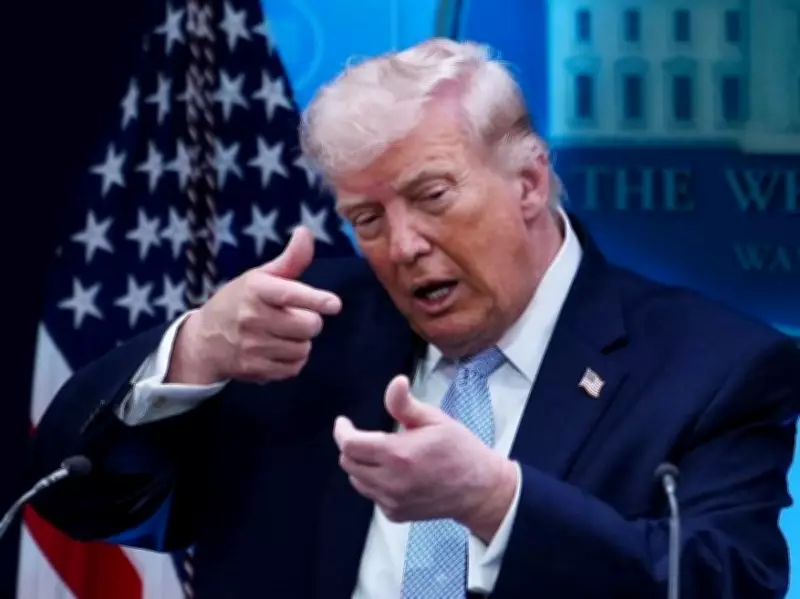
In a dramatic announcement from the White House, President Donald Trump revealed the successful conclusion of what he described as one of the most harrowing and complex combat search and rescue missions in American history. Speaking to reporters on Monday, April 6, 2026, Trump highlighted the operation's scale and the critical role of skilled personnel in retrieving a downed U.S. airman from hostile territory in Iran.
Mission Details and Elite Involvement
The mission was triggered on Friday when a United States Air Force F-15E Strike Eagle was shot down over southwestern Iran, an event Trump termed a "lucky hit." Both occupants ejected safely, but while the pilot was rescued within seven hours in a daylight operation, the weapons systems officer faced a more perilous situation. He evaded capture until Sunday in the rugged Zagros Mountains, pursued by enemy forces and locals lured by a $60,000 US bounty.
To execute this high-stakes rescue, multiple elite military units were deployed, including the USAF Pararescuemen, the army's 160th Special Operations Aviation Regiment (SOAR), and the U.S. Navy's Special Warfare Development Group (DEVGRU), famously known as "SEAL Team Six." CIA Director John Ratcliffe labeled the operation a "no-fail mission," employing human and technological assets to locate the missing officer, a task he compared to finding a single grain of sand in a vast desert.

Strategic Tactics and Media Controversy
The rescue effort was bolstered by sophisticated disinformation campaigns orchestrated by the CIA, which misled Iranian officials into believing the officer had already been found, thereby buying crucial time for the search teams. Additionally, an air "bubble" was established around the missing airman, with A-10 Warthogs and MQ-9 Reaper Drones authorized to engage any threats within a 3 km radius to ensure his safety.
However, the mission faced a significant setback due to media leaks. Trump expressed frustration that news of the second officer's status was prematurely disclosed by a media outlet, breaching a media blackout intended to protect the operation. He warned that such leaks endangered lives and threatened legal action against the reporter involved, emphasizing the risks posed by public exposure in a hostile environment.
Broader Military Context and Future Actions
Amid the rescue, Trump reiterated his firm stance on Iran, linking the incident to broader military strikes. U.S. Secretary of War Pete Hegseth confirmed that strikes in Iran would intensify, with Monday seeing the largest volume since operations began, leading up to a Tuesday deadline for Iran to reopen the Strait of Hormuz. Hegseth underscored the president's resolve, stating, "Iran has a choice — choose wisely because this president does not play around."
This operation underscores the ongoing tensions and military engagements in the region, highlighting the complexities of modern warfare and the critical importance of coordinated rescue efforts in hostile territories.