Trump Orders Additional Aircraft Carrier to Middle East Amid Iran Negotiations
In a significant military and diplomatic move, former U.S. President Donald Trump has announced the deployment of a second aircraft carrier to the Middle East. This decision comes as part of ongoing efforts to negotiate a comprehensive deal with Iran, marking a substantial increase in American naval presence in the strategically vital region.
Enhanced Military Presence for Diplomatic Leverage
The deployment represents a clear escalation of military assets aimed at strengthening the United States' bargaining position during sensitive negotiations with Iranian officials. By positioning additional carrier strike groups in proximity to Iran, the Trump administration seeks to demonstrate resolve and capability while engaging in complex diplomatic discussions.
This strategic military movement occurs against a backdrop of regional tensions that have persisted for years. The Middle East remains a critical theater for American foreign policy, with Iran's nuclear program and regional activities continuing to be primary concerns for U.S. national security interests.

Context and Implications of the Deployment
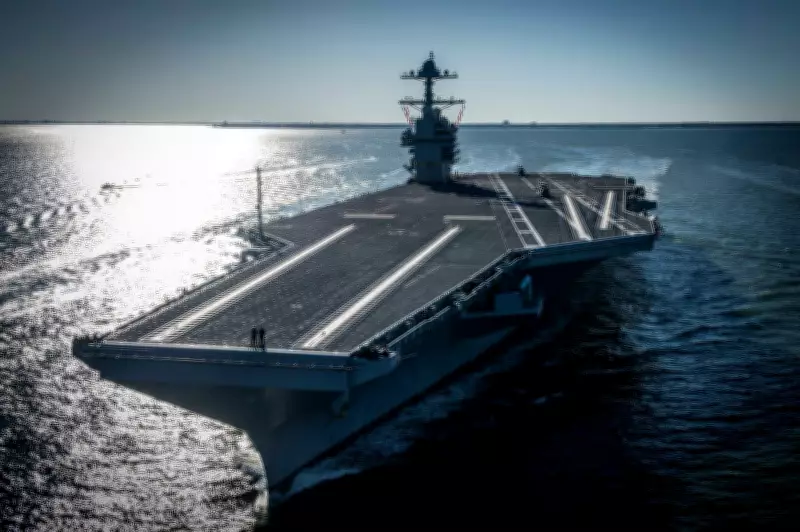
Military analysts note that deploying multiple aircraft carriers to a single region represents a substantial commitment of resources and signaling. Each carrier typically serves as the centerpiece of a strike group that includes:
- Multiple guided-missile destroyers
- Cruisers equipped with advanced defense systems
- Attack submarines
- Approximately 70-80 aircraft including fighter jets and surveillance planes
The timing of this announcement suggests a calculated approach to diplomacy, where visible military strength complements negotiation efforts. This dual-track strategy of diplomacy backed by military presence has been a recurring feature of American foreign policy in the region, particularly during previous administrations.
Regional and Global Reactions
International observers are closely monitoring how regional powers respond to this increased American military presence. Neighboring countries with stakes in Iranian negotiations may view the carrier deployment as either stabilizing or provocative, depending on their geopolitical alignments and relationships with Tehran.
The decision also raises questions about the long-term sustainability of maintaining multiple carrier groups in the Middle East simultaneously, given competing global commitments and operational demands on the U.S. Navy. Defense officials must balance this deployment against other strategic priorities worldwide.
As negotiations continue, the presence of additional naval power in the region will likely influence the dynamics at the bargaining table, potentially affecting the pace and substance of discussions between American and Iranian representatives.