Trump Announces U.S. Military Action in Strait of Hormuz, Claims Destruction of Iranian Mine Ships
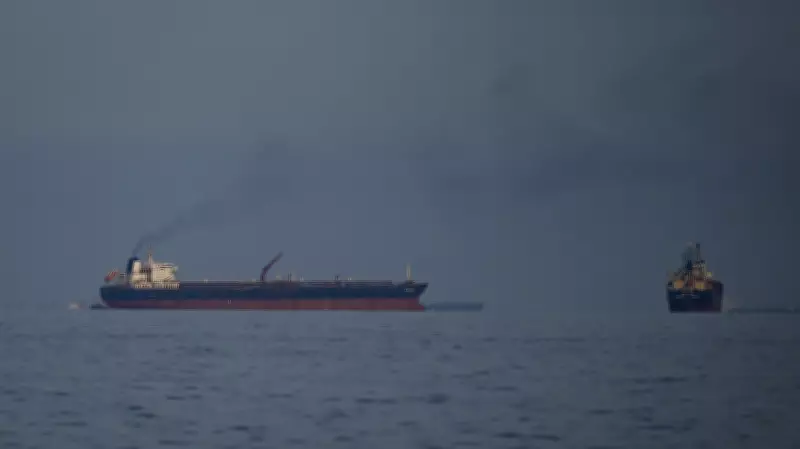
In a dramatic social media post on Saturday, U.S. President Donald Trump declared that the United States military has initiated operations to clear the Strait of Hormuz, a vital maritime passage for global oil shipments. Trump asserted that all of Iran's minelaying ships have been sunk during this process, escalating tensions in a region already fraught with conflict.
Social Media Announcement and Immediate Reactions
Trump detailed the military action in a post on Truth Social, stating, "We're now starting the process of clearing out the Strait of Hormuz," and added that "all 28" of Iran's "mine dropper boats are also lying at the bottom of the sea." This announcement came just minutes after initial reports surfaced regarding the presence of U.S. naval vessels in the strait. An Axios journalist, citing an unnamed U.S. official, noted that "several" U.S. ships had crossed the waterway on Saturday. However, Iranian state television quickly countered with a denial from a military official, highlighting the conflicting narratives emerging from the incident.
Background of U.S.-Iran Tensions and Economic Impact
Trump has frequently claimed that American forces have decimated Iran's navy and air force while severely damaging its ballistic missile and nuclear programs. The Strait of Hormuz has been a focal point of these tensions, with fears of Iranian attacks on shipping effectively closing the strait in recent weeks. This closure has disrupted global energy markets, as the strait serves as a critical conduit for approximately one-fifth of the world's oil supplies. Consequently, U.S. gasoline prices have surged, despite the fact that most oil traversing the strait is not destined for the United States, underscoring the interconnected nature of international energy economics.

Ongoing Diplomatic Efforts Amidst Military Actions
Simultaneously, representatives from the United States and Iran commenced talks hosted by Pakistan in Islamabad on Saturday, operating under a fragile ceasefire agreement. These diplomatic discussions aim to address the broader conflict, even as military actions like those announced by Trump introduce new complexities. The juxtaposition of aggressive posturing and negotiation efforts reflects the volatile state of U.S.-Iran relations, with global observers closely monitoring developments that could influence regional stability and worldwide oil security.