U.S. Authorities Arrest Relatives of Deceased Iranian General Qassem Soleimani
In a significant development that intensifies geopolitical friction, the United States has officially announced the arrest of multiple relatives of Qassem Soleimani, the high-ranking Iranian military commander who was killed in a U.S. drone strike in January 2020. This action comes as both nations engage in delicate ceasefire negotiations, with a looming deadline heightening regional anxieties.
Details of the Arrests and Broader Context
The arrests were confirmed by U.S. officials, though specific identities and charges against the detained family members have not been fully disclosed to the public. This move is seen as a strategic escalation by Washington, potentially aimed at exerting pressure on Iran amid ongoing conflicts in the Middle East. The timing coincides with critical discussions over a ceasefire plan, which both countries are currently studying, adding a layer of complexity to diplomatic efforts.
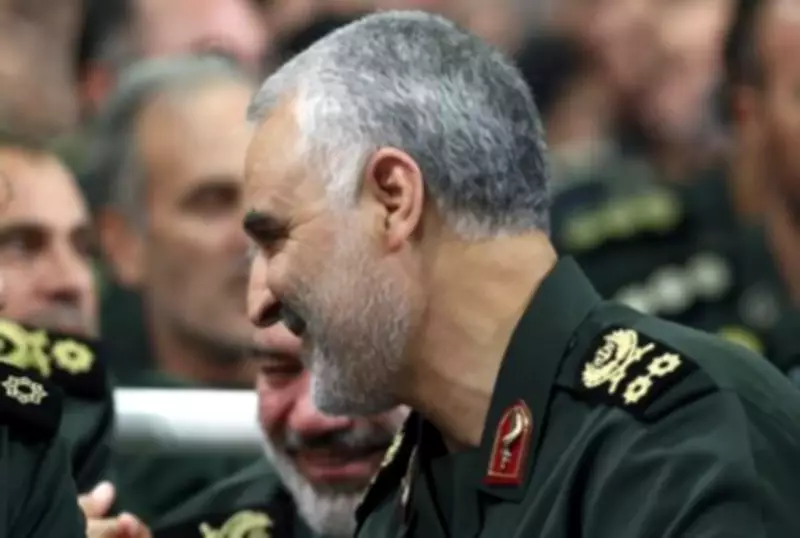
Qassem Soleimani was a pivotal figure in Iran's military apparatus, leading the Quds Force of the Islamic Revolutionary Guard Corps and playing a key role in shaping Tehran's foreign policy across the region. His assassination nearly four years ago sparked a severe crisis, with Iran retaliating by launching missile attacks on U.S. bases in Iraq, bringing the two nations to the brink of a larger confrontation.

Impact on U.S.-Iran Relations and Regional Stability
The arrest of Soleimani's relatives is likely to further strain already tense relations between the United States and Iran. Analysts suggest that this could undermine trust in ceasefire talks, as Iran may view the arrests as a provocative act. The situation is compounded by recent warnings from former U.S. President Donald Trump, who has issued stark cautions about potential escalation, referring to a "hell" scenario if diplomatic efforts fail.
From a broader perspective, this development occurs against a backdrop of heightened military activities and political maneuvering in the Middle East. Other regional players are closely monitoring the situation, as any misstep could lead to renewed violence or disrupt fragile alliances. The U.S. action underscores its continued hardline stance toward Iran, despite efforts to de-escalate through dialogue.
Future Implications and International Reactions
As the deadline for ceasefire discussions approaches, the international community is watching with concern. Key allies and organizations may call for restraint, emphasizing the need for peaceful resolutions to prevent further destabilization. The arrests could also influence domestic politics in both countries, with hardliners in Iran potentially using this as leverage to oppose concessions, while U.S. policymakers debate the strategic merits of such assertive measures.
In summary, the detention of Soleimani's family members marks a bold and contentious step by the United States, reflecting the enduring volatility in U.S.-Iran relations. With ceasefire plans hanging in the balance, this incident adds urgency to diplomatic efforts and highlights the intricate challenges of navigating conflict in the Middle East.