The number of American service members wounded in the ongoing Iran war has now surpassed 300, marking a significant escalation in casualties as the conflict enters its second month. This week alone, more than two dozen U.S. troops were injured in attacks targeting a Saudi Arabian air base, highlighting the intensifying violence in the region.
Recent Attacks and Casualties
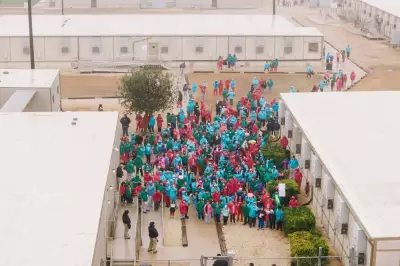
On Friday, Iran launched a coordinated assault involving six ballistic missiles and 29 drones at Prince Sultan air base in Saudi Arabia. Initial reports from U.S. officials indicated that at least 15 troops were injured, including five who sustained serious wounds. Specifically, at least 10 American service members were among the casualties, with two in critical condition.
This incident follows two earlier attacks on the same base earlier in the week, one of which resulted in injuries to 14 U.S. troops, according to anonymous sources not authorized to speak publicly. The base, operated by the Royal Saudi Air Force and located approximately 96 kilometers (60 miles) from Riyadh, has been a frequent target since the war began, now reaching the one-month mark.

Tragically, the conflict has also claimed lives. Army Sgt. Benjamin N. Pennington, aged 26, was wounded during a March 1 attack on the base and died days later. He is one of 13 service members who have been killed in the war so far. The Pentagon has not yet commented on the latest American casualties at the Saudi base.
Military Reinforcements Deployed
In response to the escalating situation, the United States is bolstering its military presence in the Middle East. U.S. Central Command announced on Saturday that the USS Tripoli, an amphibious assault ship carrying about 2,500 Marines from the 31st Marine Expeditionary Unit, has arrived in the region. The ship, based in Japan, was redirected from exercises near Taiwan almost two weeks ago.
The Tripoli brings not only Marines but also transport and strike fighter aircraft, along with amphibious assault assets, to enhance U.S. capabilities. Additionally, the USS Boxer and two other ships, accompanied by another Marine Expeditionary Unit, have been ordered to deploy from San Diego, further strengthening American forces in the area.
Political and Economic Implications
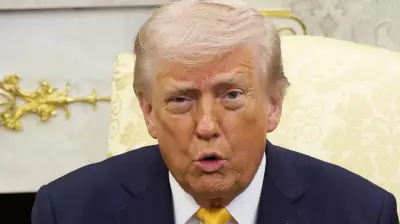
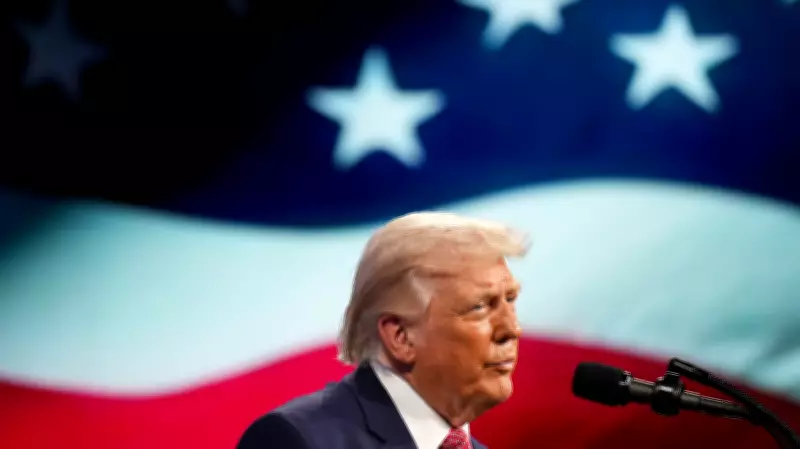
Secretary of State Marco Rubio stated on Friday that the United States aims to achieve its objectives without deploying ground troops, but emphasized that President Donald Trump must be prepared for various contingencies. He noted that American forces are positioned to provide maximum flexibility and adaptability as the situation evolves.
The war has had far-reaching consequences beyond the battlefield. Iran's retaliatory strikes against Israel and Gulf Arab states have disrupted global air travel, hindered oil exports, and driven fuel prices upward. A critical factor is Iran's control over the Strait of Hormuz, a strategic waterway, which has exacerbated economic turmoil worldwide.
With economic repercussions spreading globally, President Trump faces mounting pressure to end Iran's chokehold on the strait. He has claimed that talks to conclude the war are progressing "very well" and set a deadline of April 6 for Tehran to reopen the waterway. However, Iran denies engaging in any negotiations, casting doubt on diplomatic resolutions.
Broader Impact and Outlook
As the conflict persists, the human and economic toll continues to rise. Central Command reported that over 300 service members have been wounded, with most returning to duty, but 30 remain out of action and 10 are seriously wounded. The ongoing violence underscores the challenges in de-escalating tensions and achieving a peaceful resolution.
The deployment of additional U.S. forces signals a commitment to maintaining stability in the region, but also raises concerns about further escalation. As the world watches, the outcomes of military and diplomatic efforts will shape the future of Middle East security and global economic stability.