U.S. Declares War on Iran, Launches Operation Epic Fury with Israeli Support
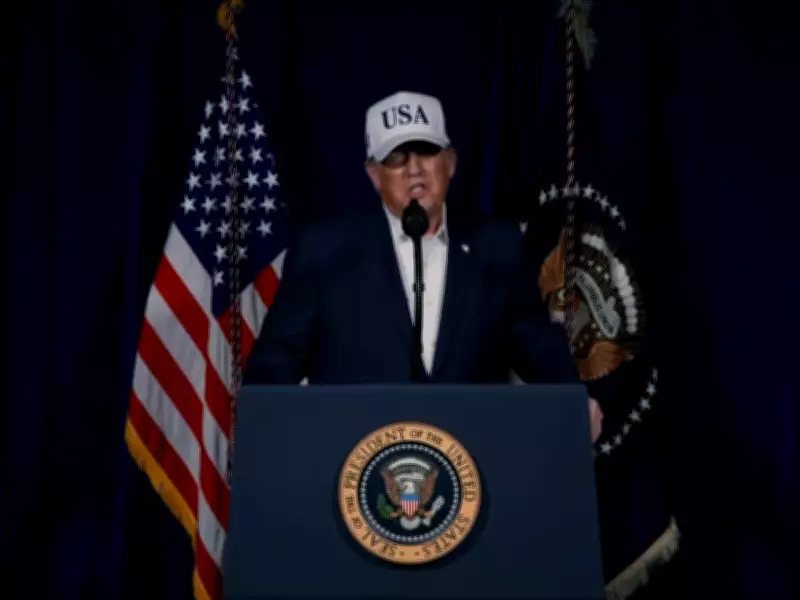
In a dramatic escalation of Middle East tensions, U.S. President Donald J. Trump has formally declared war on Iran, announcing the commencement of Operation Epic Fury during an address from Mar-a-Lago in Palm Beach, Florida. The coordinated military campaign, conducted in partnership with Israel, represents a significant turning point in regional geopolitics and has already resulted in reported casualties among Iran's leadership.
Direct Warning to Iranian Citizens
President Trump delivered a stark warning to the Iranian population during his televised announcement, urging citizens to remain sheltered as military operations intensify. "To the great, proud people of Iran, I say tonight that the hour of your freedom is at hand," Trump declared. "Stay sheltered. Don't leave your home. It's very dangerous outside. Bombs will be dropping everywhere."
The President further encouraged Iranians to seize control of their government once military operations conclude, framing the conflict as an opportunity for generational change. "When we are finished, take over your government. It will be yours to take. This will be probably your only chance for generations," he added, positioning the campaign as both a military operation and a potential catalyst for political transformation.

Reported Casualties and Military Objectives
Early reports from Tehran indicate that numerous explosions have rocked the Iranian capital, with Supreme Leader Ayatollah Ali Khamenei reportedly among those killed in the coordinated strikes. The operation's stated objectives include eliminating Iran's missile capabilities and nuclear infrastructure, which Trump described as threats to regional and global stability.
Israeli Prime Minister Benjamin Netanyahu simultaneously announced Operation Roaring Lion, Israel's complementary military campaign against Iranian targets. "Our joint operation will create the conditions for the brave Iranian people to take their fate into their own hands," Netanyahu stated, echoing Trump's rhetoric about enabling political change within Iran.
Iranian Response and Regional Escalation
Iran's military has reportedly responded with missile and drone attacks targeting Israel, followed by strikes against U.S. military installations in Bahrain, Kuwait, and Qatar. The Iranian Foreign Ministry issued a statement on social media platform X, vowing that "the armed forces of the Islamic Republic of Iran will not hesitate to defend our beloved homeland with all their might."
President Trump characterized the conflict as "major combat operations" in a video posted to Truth Social, offering immunity to Iranian military and police personnel who surrender their weapons while warning that those who resist will "face certain death."
International Reactions and Security Concerns
The conflict has prompted immediate responses from international leaders and security agencies:
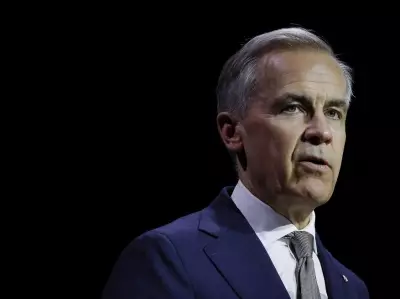
- Canadian Position: Prime Minister Mark Carney and Foreign Affairs Minister Anita Anand issued a joint statement supporting U.S. actions to prevent Iran from obtaining nuclear weapons, describing Iran as "the principal source of instability and terror throughout the Middle East."
- Conservative Support: Opposition Leader Pierre Poilievre expressed Conservative Party support for "the United States, Israel, and our Gulf allies in defending their sovereignty and dismantling the Iranian military dictatorship."
- Local Security Measures: Toronto Police announced they are "closely monitoring the evolving situation in Iran and any potential impacts locally," with increased police presence planned around places of worship and consular offices.
Background and Diplomatic Context
The military escalation follows months of diplomatic tensions and comes just weeks after the Trump administration engaged in negotiations with Iranian leadership. President Trump had previously warned that talks were not progressing satisfactorily, ultimately deciding that patience had run out with what he described as "a vicious group of very hard, terrible people."

This conflict represents the second major military operation against Iran in recent months, following the joint U.S.-Israeli Operation Midnight Hammer that targeted Iranian nuclear facilities. The current campaign has been anticipated for weeks as Trump moved additional aircraft carriers into the region while maintaining a hardline diplomatic stance.
Humanitarian and Evacuation Concerns
Canadian officials have issued urgent travel advisories for the region, with Foreign Affairs Minister Anita Anand warning that "the government would not be able to assist in evacuation should fighting leave them stranded." Canadians in Iran and surrounding areas have been advised to leave immediately if possible, with the government citing risks of civil unrest, arbitrary detention, and unpredictable enforcement of local laws.
The conflict emerges against a backdrop of recent protests in the Greater Toronto Area, where thousands of Canadian Iranians and supporters rallied to urge stronger action against the Iranian regime. As military operations continue to unfold, international observers are closely monitoring both the battlefield developments and their potential repercussions for global security architecture.