The United States has firmly denied Iranian allegations that its forces struck a military vessel during a renewed international effort to reopen the strategic Strait of Hormuz. The denial comes amid heightened tensions in the region, where the waterway remains a critical chokepoint for global oil shipments.
Background of the Incident
Iranian state media earlier claimed that U.S. naval forces had targeted an Iranian military ship while attempting to secure the strait for commercial traffic. However, Pentagon officials categorically refuted these assertions, stating that no such engagement occurred. 'The claims are completely false,' a U.S. defense spokesperson said. 'Our operations in the region are focused solely on ensuring freedom of navigation and de-escalating tensions.'
Strait of Hormuz: A Strategic Flashpoint
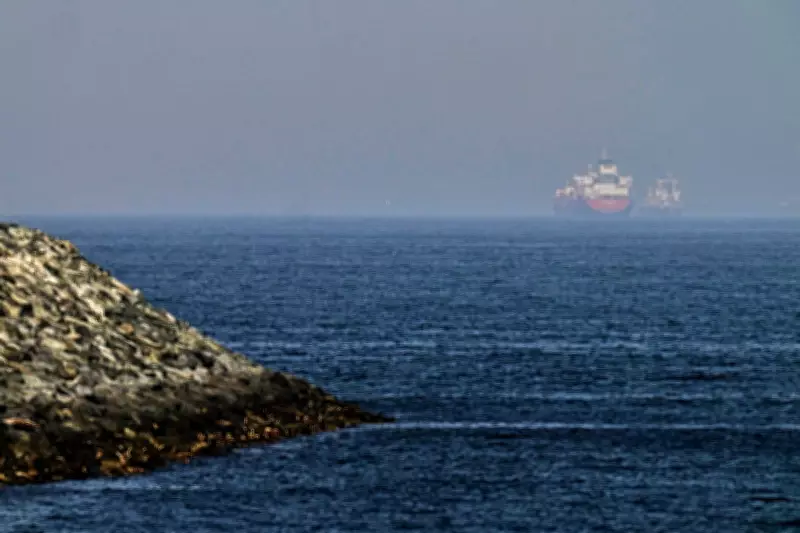
The Strait of Hormuz, connecting the Persian Gulf to the Gulf of Oman, is a vital artery for approximately 20% of the world's oil supply. Recent efforts to reopen the waterway have been complicated by ongoing geopolitical disputes between Iran and Western nations. The U.S. has led a multinational coalition to secure safe passage for commercial vessels, but Iran has periodically threatened to block the strait in response to sanctions and military pressure.

International Reactions
The incident has drawn swift reactions from global powers. The United Nations called for restraint from all parties, urging dialogue to prevent further escalation. Meanwhile, oil markets remained volatile, with crude prices fluctuating amid uncertainty over the strait's accessibility. Analysts warn that any sustained disruption could have severe economic consequences worldwide.
Broader Implications for Regional Stability
This denial follows a series of confrontations in the region, including recent drone attacks on tankers and naval exercises by both sides. Experts say the standoff underscores the fragile security environment in the Middle East, where proxy conflicts and diplomatic breakdowns continue to fuel instability. The U.S. has reiterated its commitment to protecting international shipping lanes, while Iran insists on its right to control its territorial waters.
Next Steps
Diplomatic channels remain open, with European mediators attempting to broker a temporary agreement to reduce tensions. However, no breakthrough has been announced. The U.S. Navy has increased its presence in the region, and further incidents could trigger a broader confrontation. For now, the Strait of Hormuz remains partially operational, but the threat of closure looms large.