U.S. Military Strategy Zeroes In on Iran's Extensive Missile Capabilities
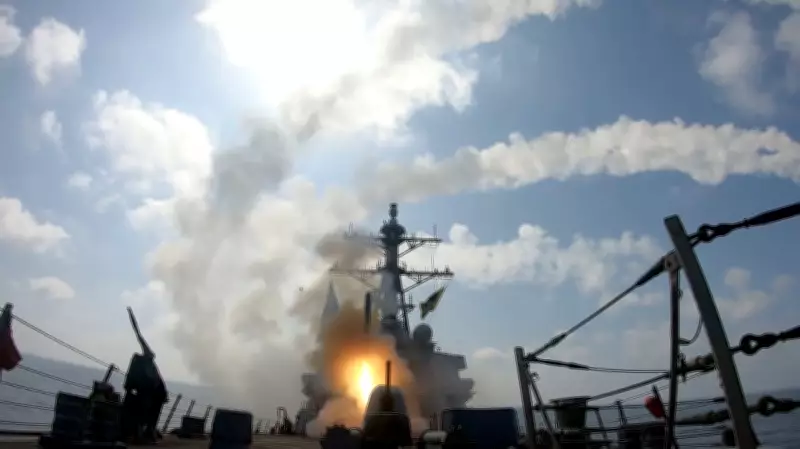
The United States has identified Iran's substantial missile arsenal as a primary military objective, according to recent statements from U.S. officials. This declaration comes amid escalating hostilities following coordinated strikes by U.S. and Israeli forces targeting Iranian infrastructure. The conflict has intensified significantly after the reported death of Iran's supreme leader, Ali Khamenei, during the initial attacks.
Joint Operations and Regional Fallout
Former U.S. President Donald Trump announced what he described as "major combat operations in Iran," confirming a joint military campaign with Israel. U.S. authorities have characterized Iran as "the principal source of instability and terror throughout the Middle East," justifying the offensive actions. In response, Iran has launched counterattacks against multiple targets, including a direct strike on Tehran, signaling a dangerous expansion of the conflict zone.
Military analyst David Fraser noted, "It's a vast difference in the targeting than in the past," suggesting a more aggressive and comprehensive approach by U.S. and Israeli forces. Meanwhile, international relations expert Ham criticized the operation as "a war of choice," highlighting the controversial nature of the preemptive strikes.

International Reactions and Diplomatic Tensions
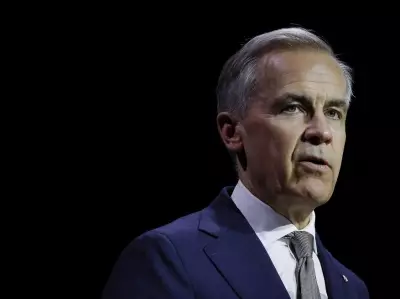
World leaders have urgently called for a return to diplomatic negotiations following the lethal strikes that killed Iran's supreme leader. The incident has sparked protests globally, including at the U.S. Consulate in Pakistan where at least nine individuals were killed during demonstrations. Canadian Prime Minister Carney has expressed explicit support for the U.S.-Israel actions, with political commentator Reid describing it as "a pretty explicit expression of support."
However, Canada's direct military involvement appears limited. A retired Canadian general indicated that Canada would play only a "limited role" in the ensuing Middle East conflict, focusing primarily on support and humanitarian efforts rather than combat operations.
Regional Security and Economic Implications
The sudden escalation has created significant uncertainty in global markets, particularly affecting oil prices. Analysts predict substantial price swings in the coming week as the conflict raises concerns about potential disruptions to Middle Eastern oil supplies. The situation remains fluid, with Iran's missile capabilities posing a continuous threat to regional stability and international shipping lanes.
As counterattacks widen, security experts warn that Iran's vast missile arsenal—including precision-guided weapons and long-range systems—represents a critical challenge for U.S. and allied forces. The targeting of these assets suggests a strategic effort to degrade Iran's ability to project power across the region, potentially preventing further escalation but risking prolonged military engagement.
The death of Supreme Leader Khamenei has created a power vacuum within Iran, complicating both military and diplomatic calculations. Iranian communities worldwide, including significant populations in Canadian cities like Winnipeg and Regina, have expressed mixed reactions—some hopeful for political change, others fearful of increased violence and regional destabilization.