U.S.-Iran Conflict Intensifies as Military Operations Expand Across Region
On the third day following the coordinated U.S. and Israeli strikes against Iran, tensions in the Middle East have surged dramatically, with the conflict showing clear signs of dangerous escalation. Iran has executed retaliatory attacks on multiple U.S. military installations, with explosions reported in strategic locations including Dubai, Bahrain, and Iraq. The situation threatens to worsen significantly as Gulf monarchies issue threats of counter-retaliation.
Hegseth Outlines Aggressive Military Campaign Against Iran
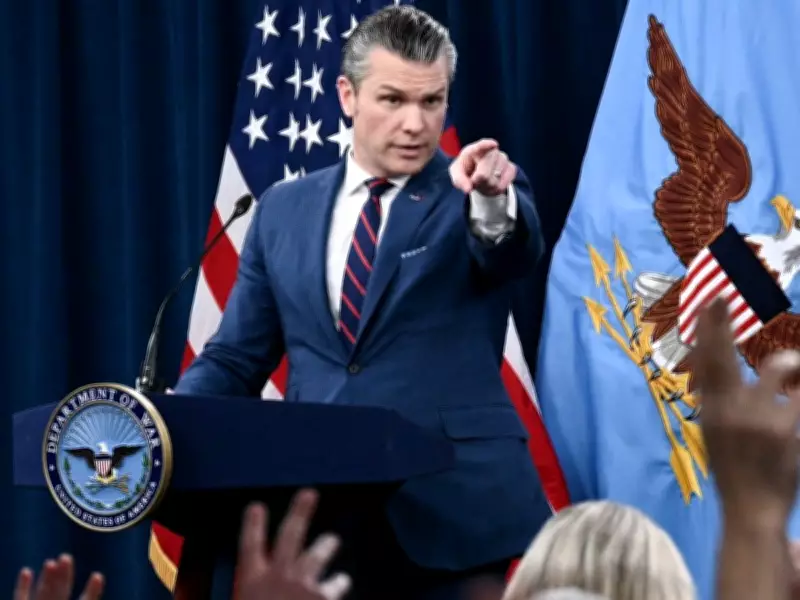
In a pivotal briefing held this morning, United States Defense Secretary Pete Hegseth outlined the scope of the ongoing military campaign, explicitly targeting Iran's nuclear capabilities and naval forces. Hegseth pointedly refused to rule out the possibility of deploying American ground troops within Iranian territory and suggested that the conflict, initiated over the weekend, could potentially extend for up to six weeks.
"We'll go as far as we need to go," Hegseth stated emphatically during the press conference, when questioned about the potential for boots on the ground. He further clarified, "No, but we're not going to go into the exercise of what we will or will not do."

U.S. forces, in collaboration with Israel, commenced extensive strikes on Saturday, hitting hundreds of targets across Iran. These strikes have focused on critical infrastructure including missile systems, naval assets, and command-and-control centers. Hegseth sought to distinguish this operation from previous prolonged U.S. engagements in Iraq and Afghanistan, emphasizing it is not an exercise in nation-building.
"This is not Iraq. This is not endless," he asserted. "Our generation knows better and so does this president. He called the last 20 years of nation building wars 'dumb' and he's right."
Regional Fallout and International Reactions
The conflict's ripple effects are being felt across the Middle East and beyond:
- A major Saudi oil refinery is actively burning following attacks.
- Qatar has suspended its liquefied natural gas (LNG) production.
- Multiple commercial tankers have been attacked off the coast of Oman.
- Lebanon's Hezbollah militant group has announced its entry into the conflict.
- A British air base located in Cyprus has been targeted.
The United States has acknowledged expectations of incurring military casualties as Iran continues its offensive operations. The regional turmoil has severely disrupted international air travel, leading to the cancellation of numerous flights through major hub airports, stranding thousands of passengers.
Canada's Diplomatic Stance and Kuwait Friendly Fire Incident
Canadian Foreign Minister Anita Anand, speaking from New Delhi, declined to comment on whether Ottawa views the U.S.-led strikes as legally justified under international law. Anand confirmed Canada was not involved in the military operation and reiterated a strong preference for diplomatic resolution.
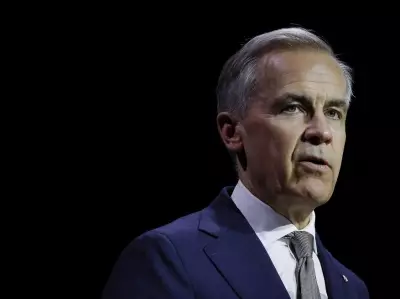
"We prefer a diplomatic solution," Anand stated. "This is why I have spent the last two days speaking with my counterparts... stressing that Canada believes in a diplomatic and peaceful solution, and as soon as possible, we would like parties to get to the table." Prime Minister Mark Carney has expressed support for the U.S. action aimed at preventing a nuclear-armed Iran.
In a separate but significant development, a tragic friendly fire incident occurred in Kuwait. Three U.S. Air Force F-15E Strike Eagle fighter jets were mistakenly shot down by Kuwaiti air defenses during active combat operations against Iranian threats. All six crew members ejected safely and were recovered. U.S. Central Command confirmed the incident is under investigation, noting such losses to friendly fire are rare, with the last comparable incident occurring during the 2003 Iraq invasion.
The expanding conflict underscores a volatile and rapidly deteriorating security situation in the Middle East, with military, economic, and diplomatic dimensions all in flux as global powers navigate the crisis.