William Watson: The U.S.-Iran War by the Numbers
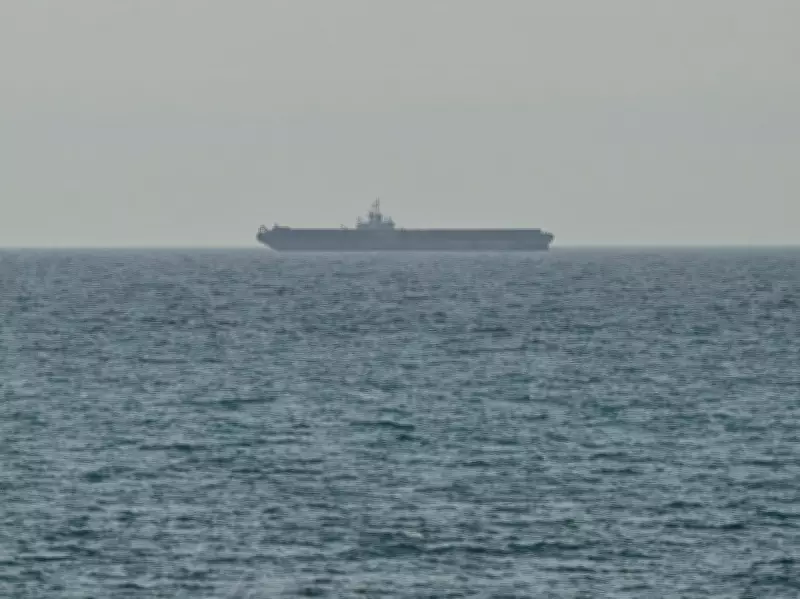
Two nations are currently blockading the Strait of Hormuz, a critical maritime passageway, compared to zero before February 27, 2026, when the U.S.-Israel-Iran conflict began. The American blockade is conditional, designed to respond to Iranian actions, with potential for joint tolling arrangements if diplomatic negotiations progress.
Changing Tolerance for Casualties and Captives
The United States demonstrated zero tolerance for American prisoners of war during this conflict, risking hundreds of service members' lives to rescue just two downed pilots from Iranian territory. This commitment sends a powerful morale message to military personnel but raises questions about a nation's capacity to wage war when placing such extreme value on individual casualties.
Historical comparisons reveal dramatic shifts in casualty acceptance. During the Vietnam War's deadliest day on January 31, 1968, the U.S. suffered 245 combat deaths. The entire month of May 1968 saw 2,415 American fatalities. On D-Day, June 6, 1944, approximately 2,500 U.S. troops lost their lives in a single day of intense combat operations.

Modern Conflict Statistics
In the recent U.S.-Iran confrontation, American military deaths totaled 13 personnel up to the ceasefire declaration. These included six fatalities from a mid-air refueling accident and seven from Iranian rocket and drone attacks. During the same period, the U.S. military conducted an astonishing 13,000 sorties against 10,000 separate Iranian targets.
This represents a remarkable ratio of one American death per 1,000 combat sorties, a statistic that would have been unimaginable in previous conflicts. The contrast becomes even more striking when examining historical aerial operations.
Historical Aerial Warfare Comparisons
During the Pearl Harbor attack on December 7, 1941, Japanese forces achieved near-complete surprise against the U.S. Pacific Fleet. Despite this tactical advantage, only 29 Japanese aircraft were shot down (approximately 7% of attacking planes), with 129 Japanese sailors and airmen killed. American losses totaled 2,403 military and civilian deaths.
The strategic bombing campaign against Germany from 1942 to 1945 provides another stark comparison. British Bomber Command suffered 55,573 crew deaths, representing a 44.4% casualty rate. Nearly 10,000 of these fatalities were Canadian personnel, highlighting the extreme risks of aerial warfare during that era.
These historical contrasts demonstrate how dramatically the demographics and tolerance of aerial bombardment have evolved over eight decades. Modern warfare increasingly emphasizes precision, technological superiority, and risk mitigation rather than mass deployment and high casualty acceptance.