U.S.-Israeli Military Strikes on Iran: An In-Depth Analysis
In a significant escalation of hostilities, coordinated military strikes by the United States and Israel targeted Iran on March 1, 2026, with explosions reported in Tehran and other key locations. The attacks, which have drawn international attention, mark a pivotal moment in the ongoing geopolitical tensions in the Middle East. This article provides a comprehensive overview of the events, their context, and the broader implications for global stability.
Details of the Attacks and Immediate Aftermath
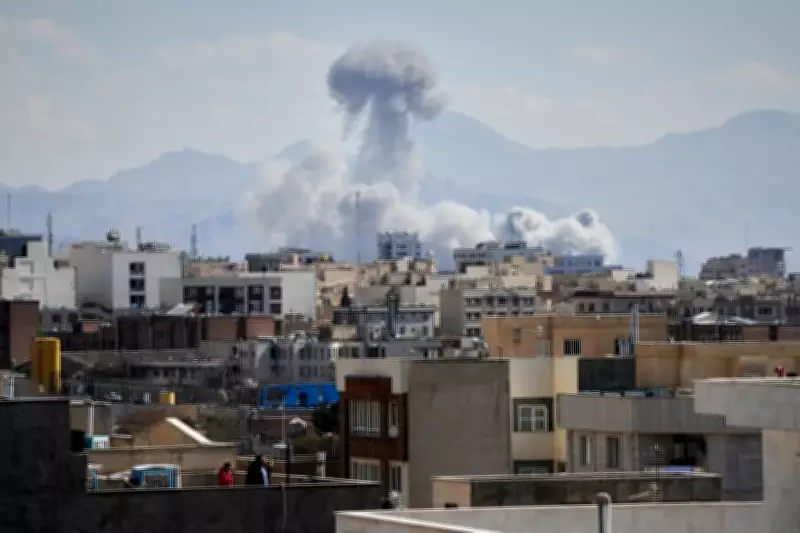
According to reports, the strikes occurred in the early hours of Sunday, March 1, 2026, with visible plumes of smoke rising over Tehran as residents watched from rooftops. The operations, described as precision-targeted, aimed at military and strategic sites within Iran. While specific casualty figures remain unconfirmed, the attacks have heightened fears of a wider regional conflict. Former U.S. President Donald Trump commented on the situation, stating that the operation could last four to five weeks, but might extend far longer, underscoring the potential for prolonged engagement.
International Reactions and Diplomatic Fallout
The strikes have prompted varied responses from the international community. Canada, for instance, has urged a diplomatic solution to the crisis, though it has not explicitly labeled the attacks as illegal. With over 85,000 Canadians and permanent residents currently in the Middle East, the Canadian government is closely monitoring the situation for safety concerns. Meanwhile, other nations have called for restraint, emphasizing the need to avoid further escalation that could disrupt global energy supplies, particularly through critical passageways like the Strait of Hormuz.

Cybersecurity and Technological Ramifications
In the wake of the military actions, hackers targeted Iranian apps and websites, launching cyberattacks that disrupted digital infrastructure. This highlights the growing intersection of conventional warfare and cyber operations, where technological vulnerabilities can be exploited to amplify the impact of physical strikes. Such incidents raise questions about the future of conflict in an increasingly interconnected world, where digital fronts become as crucial as traditional battlefields.
Economic and Environmental Considerations
The attacks have also sparked concerns about economic stability and environmental risks. The Strait of Hormuz, a vital channel for global oil shipments, could face disruptions if tensions escalate, potentially leading to energy shortages and price volatility. Additionally, the environmental toll of military conflicts, including pollution from explosions and resource depletion, adds another layer of complexity to the situation. Experts warn that prolonged hostilities could exacerbate existing challenges, such as climate change and resource management in the region.
Long-Term Implications for Global Security
Looking ahead, the U.S.-Israeli strikes on Iran could have far-reaching consequences for international relations and security frameworks. The involvement of major powers like the U.S. and Israel in direct military actions against Iran may reshape alliances and diplomatic strategies worldwide. Furthermore, the potential for retaliatory measures from Iran or its proxies could trigger a cycle of violence, affecting not only the Middle East but also global peace efforts. As the situation evolves, stakeholders are calling for enhanced dialogue and conflict resolution mechanisms to prevent further deterioration.
In summary, the recent U.S.-Israeli attacks on Iran represent a critical juncture in contemporary geopolitics, with implications that extend beyond immediate military outcomes. From cybersecurity threats to economic disruptions, the fallout underscores the interconnected nature of modern conflicts and the urgent need for coordinated international responses to maintain stability.