The United States has officially lifted temporary flight restrictions over a portion of the Caribbean Sea, measures that were enacted during a high-stakes military and intelligence operation targeting Venezuela. The curbs, which disrupted regional air traffic, were put in place as U.S. forces secured the capture of Venezuelan President Nicolás Maduro, an event that has sent shockwaves through international diplomacy.
Operation Details and Immediate Aftermath
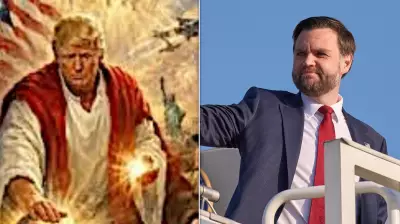
The airspace restrictions were implemented to ensure the security and operational integrity of the mission. The operation culminated in the stunning apprehension of Maduro, who has since been transported to the United States. Former U.S. President Donald Trump commented on the development, stating the capture would allow America to "run" Venezuela, signaling a profound shift in the geopolitical stance toward the South American nation.
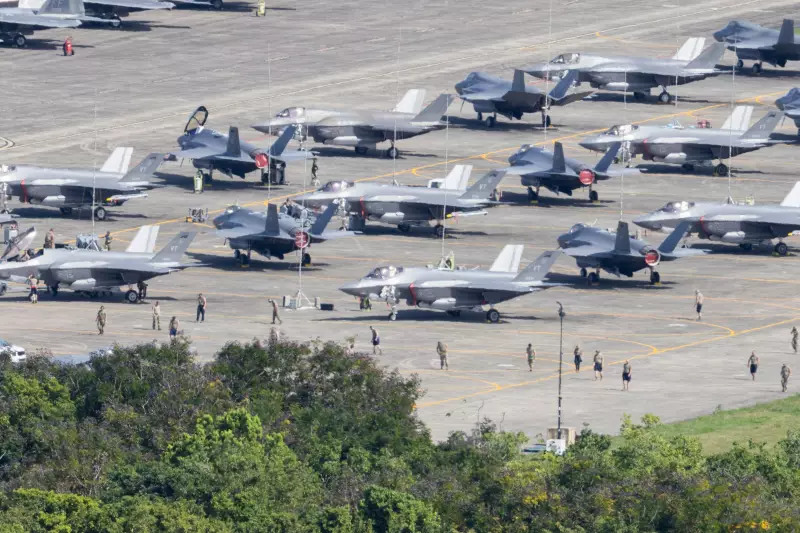
Imagery from the period shows heightened U.S. military readiness in the region, with F-35 fighter jets visibly deployed at José Aponte de la Torre Airport in Ceiba, Puerto Rico, on January 3, 2026. This visual evidence underscored the scale and seriousness of the operations conducted under the veil of the flight ban.

Regional and International Repercussions
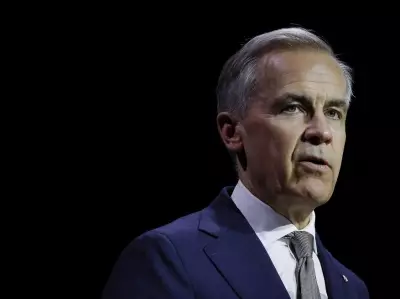
The lifting of the restrictions restores normal flight paths for commercial and private aviation over the affected sector of the Caribbean. However, the political and diplomatic fallout from the operation continues to unfold rapidly. Canada's Foreign Minister has issued an official response to the U.S. capture of Maduro, highlighting the complex international implications for allies in the Western Hemisphere.
The event marks an unprecedented escalation in U.S. intervention in Venezuela's prolonged political crisis. Analysts are closely watching for reactions from other global powers and international bodies, as well as the potential for instability within Venezuela following the removal of its long-standing leader.
Path Forward and Unanswered Questions
With Maduro now in U.S. custody, significant questions remain regarding the legal proceedings he will face and the future governance of Venezuela. The U.S. administration's next steps will be critical in determining whether this action leads to a stabilization of the region or triggers further unrest.
The swift military action and subsequent management of its logistical footprint, including the now-rescinded airspace curbs, demonstrate a calculated approach by U.S. authorities. The world now watches to see the long-term consequences of this bold and controversial maneuver in Caribbean and global affairs.