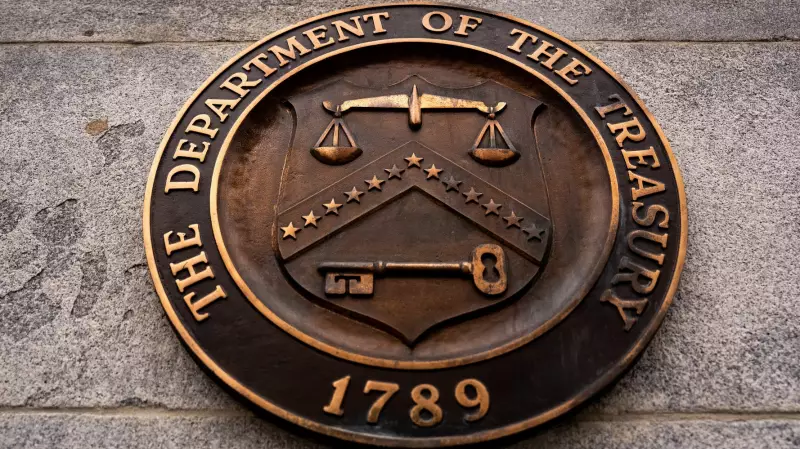
In a significant policy shift, the administration of U.S. President Donald Trump has removed sanctions from three executives connected to the Intellexa spyware consortium. The move, documented in a notice on the U.S. Treasury Department's website on December 30, partially reverses actions taken by the previous administration.
A Partial Reversal of Sanctions
The decision lifts restrictions on Sara Hamou, Andrea Gambazzi, and Merom Harpaz. These individuals were among seven people originally sanctioned by then-President Joe Biden's administration last year. The Treasury Department had previously described Intellexa, founded by former Israeli intelligence official Tal Dilian, as a decentralized network of companies that developed and sold highly invasive surveillance tools.
A U.S. official, speaking anonymously, stated the removal resulted from a standard administrative review process. The official noted the three individuals had petitioned for reconsideration and had "demonstrated measures to separate themselves from the Intellexa Consortium." A Treasury spokesperson declined to provide further comment. Tal Dilian, the consortium's founder, remains under sanctions.

The Controversial Legacy of Predator Spyware
The Intellexa consortium is notorious for its flagship product, Predator spyware. This software has been implicated in major international scandals. In Greece, it was allegedly used to surveil a journalist, a prominent opposition figure, and dozens of others. Furthermore, a 2023 report by investigative news outlets claimed the Vietnamese government attempted to hack members of the U.S. Congress using Intellexa's tools.
When the U.S. imposed its first wave of sanctions in March of last year, it accused Intellexa of enabling the spread of commercial spyware to authoritarian regimes. The government alleged the software had been used to covertly surveil U.S. officials, journalists, and policy experts. Dilian has denied wrongdoing in the Greek case and has not publicly commented on the alleged hacking attempts targeting U.S. lawmakers.
Implications and Next Steps
The lifting of sanctions for Hamou, Gambazzi, and Harpaz marks a notable change in the U.S. approach to regulating the global spyware industry. Hamou was accused of providing managerial services to Intellexa. Gambazzi's company allegedly held distribution rights for Predator spyware, and Harpaz was described as a top executive in the consortium.
Representatives for Intellexa and the three individuals did not immediately respond to requests for comment. The action highlights the ongoing challenge for governments in balancing administrative review processes with national security concerns related to invasive surveillance technology. The situation continues to develop as the global community grapples with the ethics and regulation of commercial spyware.