U.S. Imposes Sanctions on Rwanda's Defence Force Over M23 Rebel Support in Congo
The United States has taken a significant diplomatic step by imposing sanctions on Rwanda's defence force, citing its alleged support for the M23 rebel group in the Democratic Republic of Congo. This move marks a notable escalation in international efforts to address the ongoing conflict in eastern Congo, which has seen renewed violence and instability in recent years.
Background of the Conflict and Rebel Activities
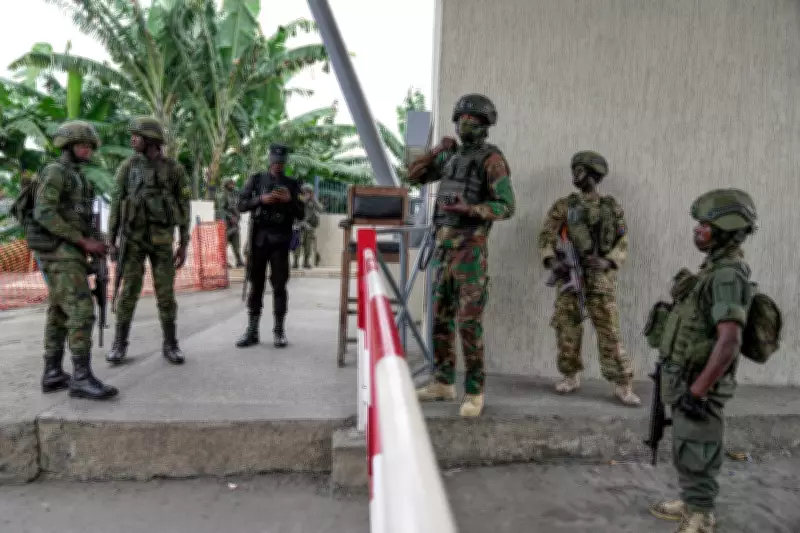
The M23 rebels, a Congolese Tutsi-led militia, have been active in eastern Congo for over a decade, with periods of intense fighting against the Congolese army, known as the FRDC. In January 2025, the rebels advanced into Goma, the capital of eastern Congo, highlighting their persistent threat to regional security. During this time, M23 rebels negotiated with the Rwanda Army to release captured Romanian mercenaries who were fighting alongside the FRDC, as documented in an AP photo at the Gisenyi border point. This incident underscored the complex web of international involvement and alliances in the conflict.
Details of the U.S. Sanctions
The sanctions, announced in March 2026, target Rwanda's defence force directly, aiming to curb its alleged provision of military aid and logistical support to the M23 rebels. This action reflects growing U.S. concern over Rwanda's role in exacerbating the conflict, which has led to widespread humanitarian crises, including displacement and human rights abuses. By sanctioning the defence force, the U.S. seeks to pressure Rwanda to cease its support and encourage a peaceful resolution through diplomatic channels.

Regional and International Implications
The imposition of sanctions is likely to strain U.S.-Rwanda relations and could impact broader regional dynamics in Central Africa. Other international actors, including the United Nations and African Union, have previously called for an end to external support for rebel groups in Congo. This U.S. move may galvanize further international action or sanctions against entities involved in the conflict. Additionally, it raises questions about the effectiveness of such measures in deterring support for insurgent groups and promoting stability in conflict zones.
Humanitarian and Security Concerns
The conflict in eastern Congo has resulted in severe humanitarian consequences, with millions of people displaced and access to basic services limited. The involvement of foreign mercenaries, as seen with the Romanian fighters, adds another layer of complexity to the security situation. Sanctions against Rwanda's defence force are intended to address these issues by targeting a key source of rebel support, but their success will depend on enforcement and the willingness of regional powers to cooperate in peace efforts.
In summary, the U.S. sanctions on Rwanda's defence force represent a critical intervention in the Congo conflict, highlighting international efforts to hold state actors accountable for supporting rebel groups. As the situation evolves, monitoring the response from Rwanda and its impact on the ground will be essential for assessing the effectiveness of this diplomatic strategy.