U.S. Navy Sinks Iranian Warship as Tehran Vows to Destroy Regional Infrastructure
The United States military has sunk an Iranian warship in the Persian Gulf, marking a significant escalation in the ongoing Middle East conflict. This aggressive action comes as Iran has publicly vowed to destroy military and economic infrastructure throughout the region, signaling a dangerous new phase in the hostilities that have now entered their fifth consecutive day.
Escalating Military Confrontation
According to reports, the U.S. naval forces targeted and successfully sank the Iranian vessel in the strategic waters of the Persian Gulf. This direct military engagement represents one of the most overt clashes between American and Iranian forces in recent years, raising immediate concerns about a broader regional war. The incident follows a series of heightened tensions and previous skirmishes in the area.
In response, Iranian leadership has issued stark threats, promising a campaign aimed at the complete destruction of key military and economic assets across the Middle East. This rhetoric underscores Tehran's determination to retaliate and project power despite the significant blow to its naval capabilities.

Broader Regional Implications
The sinking of the warship and Iran's retaliatory vows have sent shockwaves through international diplomatic and security circles. The conflict has already disrupted critical maritime trade routes, particularly the Strait of Hormuz, a vital chokepoint for global oil shipments. Reports indicate that numerous commercial tankers remain stranded as the security situation deteriorates.
Furthermore, the instability is affecting neighboring nations and international alliances. NATO forces recently intercepted an Iranian missile reportedly headed towards Turkey, highlighting the conflict's expanding geographic scope. The situation places immense pressure on global leaders to navigate what analysts describe as a diplomatic tightrope to prevent a full-scale war.
Political and Economic Fallout
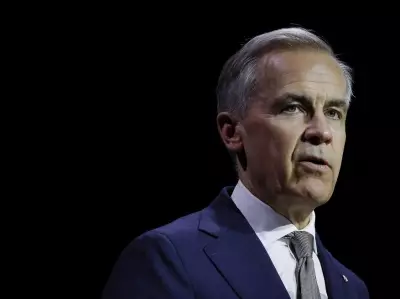
The crisis is dominating political discourse in multiple capitals. In Canada, Prime Minister Carney addressed the conflict, reminding all involved parties of their responsibilities to protect civilians amidst the escalating violence. Meanwhile, former U.S. President Trump has made contradictory claims about the state of Iran's military, adding a layer of political complexity to the situation.
Economically, the conflict is exacerbating existing strains. The shutdown of key shipping lanes is impacting global energy markets and supply chains. Concurrently, the threat to infrastructure poses a long-term risk to regional economic stability, with potential repercussions for international trade and investment.
As the war enters its fifth day, the international community watches with apprehension. The direct military engagement between the U.S. and Iran, coupled with Tehran's destructive promises, creates a volatile scenario with unpredictable consequences for Middle Eastern security and global peace.