U.S. Submarine Sinks Iranian Warship in Indian Ocean as Conflict Escalates
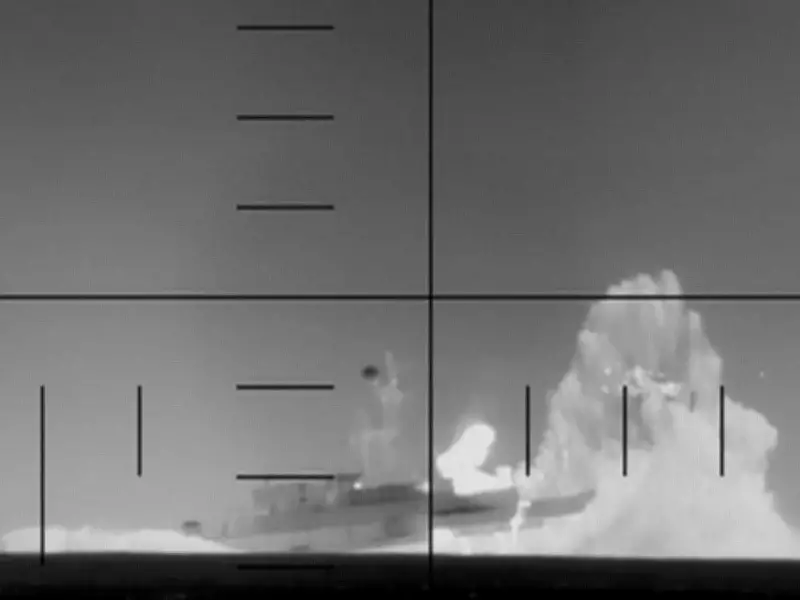
U.S. Defence Secretary Pete Hegseth confirmed on Wednesday that a U.S. submarine sank an Iranian warship off the coast of Sri Lanka, marking the first U.S. attack on Iranian forces outside of the Middle East. The incident occurred in international waters in the Indian Ocean, with a torpedo striking the vessel, according to Hegseth's statement at a Pentagon press briefing.
Escalating Military Actions and Casualties
Days after the U.S. and Israel launched attacks on Iran, Hegseth declared that America is "accelerating, not decelerating" its war efforts. He asserted, "America is winning decisively, devastatingly and without mercy," adding that the U.S. can continue military action against Iran "for as long as we need to." He also suggested that the U.S. and Israel "will have complete control of Iranian skies" within a week, noting Iran's reduced missile capabilities.
The Sri Lankan navy recovered the bodies of 87 sailors from waters near the southern city of Galle, with 61 personnel still missing, as reported by police and defence officials. Iran has not yet commented on the sinking.

Intensified Airstrikes and Regional Impact
Meanwhile, U.S. and Israeli airstrikes against Iran continued on Wednesday, with the Israeli military announcing a "broad wave of strikes" targeting Tehran's military infrastructure. Israeli Defence Forces spokesperson Effie Defrin stated, "We hit the regime with much force and we do not intend to stop for one moment. We're striking its most sensitive and significant targets." Iranian state media reported that the death toll from five days of attacks has exceeded 1,000.
Iran retaliated by firing missiles at Bahrain, Kuwait, and Israel. In a significant development, Turkey shot down an Iranian missile before it entered its airspace, marking the first time a NATO member has been targeted in this conflict.
Logistical Disruptions and Leadership Changes
The intensity of the strikes has forced Iranian officials to postpone the funeral of late supreme leader Ayatollah Ali Khamenei, which was scheduled to begin on Wednesday. An official cited logistical issues, including high demand from provinces, as the reason for the delay, with no new date announced.
Clerics in Iran are reportedly close to choosing a successor to Khamenei, with his second son, Mojtaba Khamenei, widely suggested as a potential candidate. Mojtaba has not been seen publicly since Saturday, when an Israeli airstrike killed his father.
Expansion of Conflict to Lebanon
Israel's military warned residents of dozens of border villages in southern Lebanon to evacuate immediately on Wednesday as airstrikes on Beirut suburbs intensified. The IDF stated that any building used by Hezbollah for military purposes is a legitimate target. Overnight strikes hit a hotel in Hazmieh and towns near Beirut, resulting in casualties, with additional reports of strikes in Baalbek causing further deaths and injuries.
This escalating conflict underscores the widening regional tensions, with military actions spreading beyond traditional Middle Eastern battlegrounds.