In a significant escalation of hostilities, two U.S. warplanes were downed over Iran and the Gulf on Friday, according to officials from both nations. Two pilots have been rescued, but a third remains missing and is actively being hunted by Iranian forces, highlighting the persistent dangers faced by American and Israeli aircraft in the region despite claims of air superiority by U.S. leadership.
Details of the Incidents
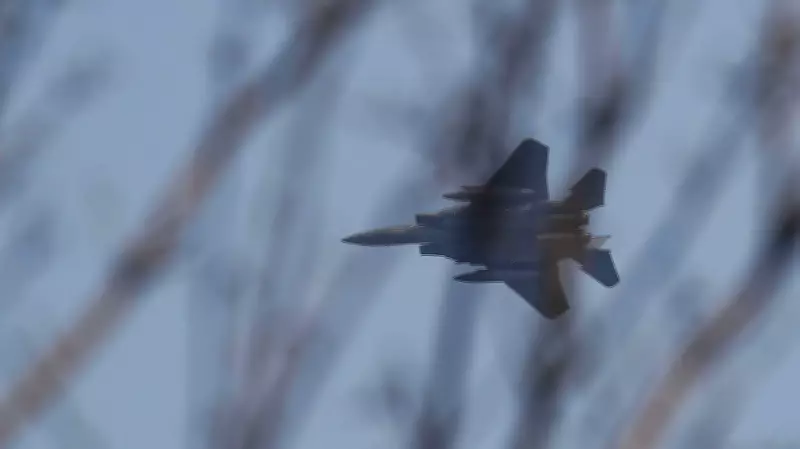
The first aircraft, a two-seat U.S. F-15E jet, was shot down by Iranian fire, as confirmed by officials in both countries. The second plane, an A-10 Warthog fighter aircraft, was also hit by Iranian fire and crashed over Kuwait, with the pilot successfully ejecting, according to two U.S. officials. Additionally, two Blackhawk helicopters involved in the search effort for the missing pilot were struck by Iranian fire but managed to exit Iranian airspace safely.
Search and Rescue Operations
The degree of injuries among the crew members remains unclear, and the status and whereabouts of the missing F-15E crew member are not publicly known. Iran's Revolutionary Guard Corps is combing an area in southwestern Iran near where the pilot's plane came down, with the regional governor promising rewards for anyone who captures or kills "forces of the hostile enemy." This development raises the stakes for Washington in a conflict with low public support and no immediate end in sight.

Broader Conflict Context
The war, which began with a wave of strikes by the U.S. and Israel that killed Iran's Supreme Leader Ayatollah Ali Khamenei on February 28, has resulted in thousands of casualties and threatens lasting damage to the global economy. So far, 13 U.S. military service members have been killed and over 300 wounded, according to U.S. Central Command. Iran has retaliated with drones and missiles targeting Israel and Gulf countries allied with the U.S., though these nations have refrained from direct involvement to avoid further escalation.
Diplomatic Stalemate
Efforts to broker a ceasefire, led by Pakistan, have reached a dead end, with Iran officially informing mediators that it is not prepared to meet with U.S. officials in Islamabad in the coming days, as reported by the Wall Street Journal. This diplomatic impasse underscores the deepening crisis.
Recent Attacks and Threats
On Friday, as U.S. President Donald Trump threatened to strike Iran's bridges and power plants, Iran attacked a power and water plant in Kuwait, exposing the vulnerability of Gulf states that rely heavily on desalination plants for drinking water. Trump had previously posted footage on social media showing U.S. strikes hitting the newly constructed B1 bridge between Tehran and Karaj, vowing further attacks on infrastructure.
Other incidents include a drone hitting a Red Crescent relief warehouse in Iran's Bushehr province, attacks on Kuwait's Mina al-Ahmadi refinery, and intercepted assaults in Saudi Arabia and Abu Dhabi. Missile debris also landed near the Israeli port of Haifa, site of a major oil refinery, contributing to market volatility with U.S. crude prices surging 11% on Thursday.
Regional Security Concerns
In a security alert, the U.S. embassy in Beirut warned that Iran and its aligned armed groups may target universities in Lebanon, urging U.S. citizens to leave while commercial flights are available. Israel continues its parallel campaign against Iran-backed Hezbollah in Lebanon, further complicating the regional dynamics.
President Trump has been receiving updates on the search-and-rescue operation from the White House, with the Pentagon and U.S. Central Command not immediately responding to requests for comment. The ongoing conflict shows no signs of abating, with both sides intensifying their military and rhetorical offensives.