
Poilievre Calls for Emergency Debate on Economy
Conservative leader Pierre Poilievre demands an emergency debate on Canada's economy, citing urgent concerns over inflation and cost of living.


Conservative leader Pierre Poilievre demands an emergency debate on Canada's economy, citing urgent concerns over inflation and cost of living.
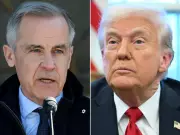
Canada's economy contracted 0.1% annually in Q1 2026, entering a technical recession due to the ongoing trade war with the US under President Trump.
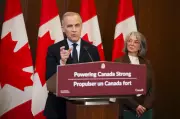
Prime Minister Mark Carney and Environment Minister Julie Dabrusin face increasing calls to demonstrate how current policies are affecting Canada's greenhouse gas emissions.
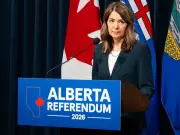
Alberta's separation debate overlooks crucial financial issues like CPP, deposit insurance, mortgages, registered accounts, and taxes that affect residents directly.

Shared lists with real-time sync. No signup needed — just open and shop together.
Recommended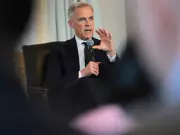
Prime Minister Mark Carney speaks at the Economic Club of New York, addressing Canada's economic strategy and international partnerships amid trade tensions.
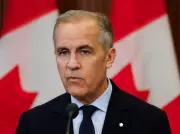
Mark Carney's pledge to help 'make America great again' faces criticism as Canada enters a recession with rising unemployment and inflation.

Canada's GDP unexpectedly contracted in Q1 2026, meeting technical recession definition. Scotiabank buys Texas bank. Costco to return tariff refunds. Retirement planning for a 61-year-old.
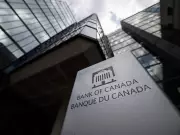
Canada's GDP unexpectedly contracted for a second consecutive quarter, sparking recession talks. Economists weigh in on whether the Bank of Canada will cut rates.
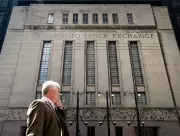
Canada slips into a technical recession as the economy stalls in the first quarter, while the S&P/TSX composite rises over 100 points and U.S. markets also gain.
Shared lists with real-time sync. No signup needed — just open and shop together.
Recommended
Canada has entered a technical recession after two consecutive quarters of negative real GDP growth, with the economy contracting in Q1 2026.

Canada's GDP unexpectedly contracted 0.2% in Q1 2026, marking a second consecutive quarterly decline and meeting the technical definition of a recession.
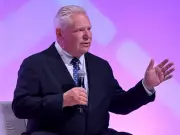
Ontario's Buy Ontario Act forces public sector to prioritize local goods, risking healthcare costs and shortages. Expert argues protectionism harms trade and medical device supply.

A new report from the Montreal Economic Institute suggests high personal income taxes in Canada put NHL teams at a disadvantage, contributing to the 30-year Stanley Cup drought for Canadian teams.

Columnist Lorrie Goldstein argues that Albertans' grievances over federal policies and disproportionate contributions are valid, urging recognition ahead of the 2026 referendum.
Shared lists with real-time sync. No signup needed — just open and shop together.
Recommended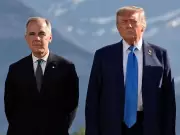
Prime Minister Mark Carney heads to New York to promote investment but avoids engaging with the Trump administration, while pushing policies that frustrate US trade partners.
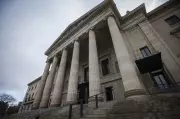
Manitoba politicians debated through the night on a budget bill that includes a food tax cut, sparking intense discussions and political maneuvering.
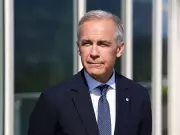
John Robson argues that mounting debt under leaders like Carney and Trump is driving civilization toward collapse, while politicians focus on trivialities.
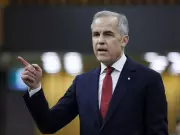
A new Fraser Institute report reveals combined federal and provincial debt has nearly doubled since 2007-08, reaching $2.44 trillion, with no balanced budget plans in sight.

Noah Jarvis argues that Toronto mayoral candidates must commit to cutting taxes, as decades of steep hikes have made the city unaffordable for families.
Shared lists with real-time sync. No signup needed — just open and shop together.
Recommended
The cost of hosting the 2026 FIFA World Cup in Canada has ballooned to over $1 billion for taxpayers, with critics decrying a one-sided deal that benefits FIFA.

Quebec Premier François Legault has not ruled out exceeding the $250 million budget for a new project, citing potential economic benefits and job creation.

Gulf states fear retaliation if hostilities resume, push for diplomatic deal after costly Iran conflict.
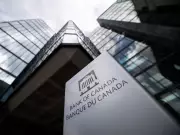
Randall Bartlett of Desjardins explains how lower-than-expected inflation gives the Bank of Canada leeway to maintain interest rates longer.

The European Union has agreed to implement a trade pact with the United States following threats from President Donald Trump, marking a significant breakthrough in transatlantic relations.
Shared lists with real-time sync. No signup needed — just open and shop together.
Recommended
Global finance ministers at the G7 meeting in Paris confront persistent inflation and high bond yields, with the Iran war and energy shock complicating monetary policy.
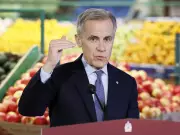
Efforts to reduce grocery prices face economic hurdles, as experts warn policies may cause more harm than good. Rising costs like coriander highlight the challenge.
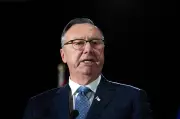
An independent panel has concluded that the proposed energy deal with Quebec is not favorable for Newfoundland and Labrador, citing inadequate benefits for the province.
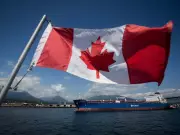
Canada's economic growth lags the U.S., with falling incomes and declining business investment, while the U.S. surges ahead in AI and technology spending.
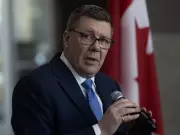
Saskatchewan Premier Scott Moe says he will review Alberta's carbon pricing deal with Ottawa to ensure it doesn't put Saskatchewan at a competitive disadvantage, as the agreement opens pathways for a new oil pipeline.
Shared lists with real-time sync. No signup needed — just open and shop together.
Recommended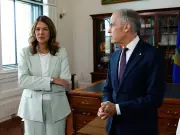
Prime Minister Carney and Premier Smith will announce a deal for a new oil pipeline in exchange for Alberta raising its industrial carbon tax to $130 per tonne by 2040.
