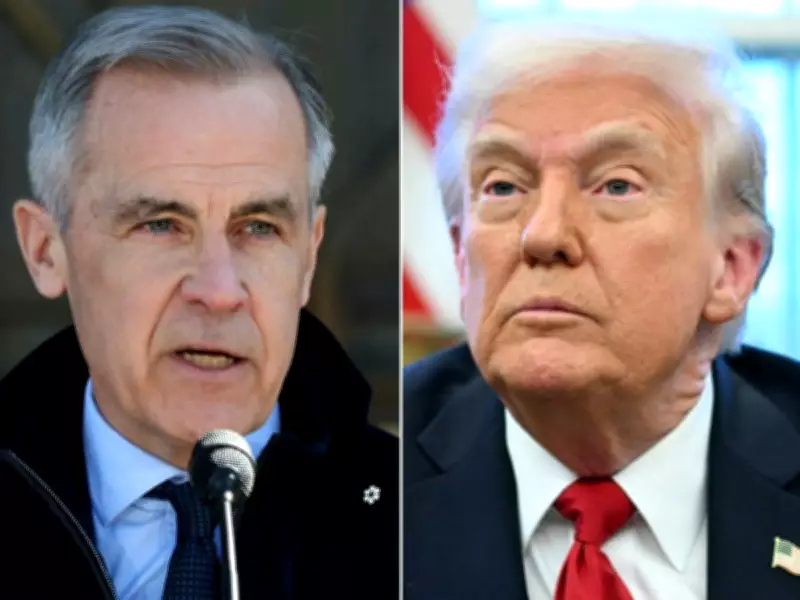
Prime Minister Mark Carney has stated that he is not taking instructions from the United States regarding the restart of trade talks and is willing to wait out the situation if necessary. This firm stance comes amid ongoing tensions over tariffs and trade policies between the two nations.
Ontario's Booze Ban as a Strategic Tool
Ontario Premier Doug Ford has made it clear that he will not allow American alcoholic beverages back on LCBO shelves until U.S. tariffs are lifted. The LCBO is the world's largest purchaser of beverage alcohol, making this ban a significant economic lever. This measure has struck a nerve with American producers, particularly Kentucky bourbon makers and California wineries, sending a strong message about Canada's resolve.
While the ban has been effective as retaliation, there is a debate about whether it should be used to achieve concrete results rather than just sending a message. Workers in auto, steel, and other industries are facing uncertainty, and business owners are eager for stability.

Carney's Rejection of Entry Fees
Carney has rightly rejected the concept of "entry fees" demanded by the U.S., noting that no such request has been formally made. However, the Americans are seeking movement on issues such as provincial booze bans and compliance with dairy quotas agreed upon in the previous CUSMA round. These are areas where Canada could offer concessions to de-escalate tensions.
Potential for Additional U.S. Tariffs
U.S. Trade Representative Jamieson Greer has expressed frustration over Canada's ban on American wine and spirits, suggesting that enforcement actions may be necessary. Economist Joseph Steinberg from the University of Toronto warns that the U.S. could impose additional tariffs under Section 301 of the Trade Act of 1974, targeting the booze ban and dairy quota restrictions as unfair practices. Steinberg argues that abandoning these practices would not harm Canada's economy and would make it harder for the U.S. to extract further concessions.
A Path Forward: Comprehensive Negotiations
Instead of escalating, Canada should engage in comprehensive talks covering all issues: U.S. tariffs, Canada's booze ban, dairy quotas, and Buy American provisions. Additional topics could include energy security, Arctic defense, and increased Canadian defense spending. Such a deal would align with Carney's campaign promises and provide certainty for Canadian businesses and workers.
Canada possesses resources that the world and the United States need. It is time for Canada to stop reacting and start driving the negotiation with the confidence of a strong and capable nation.