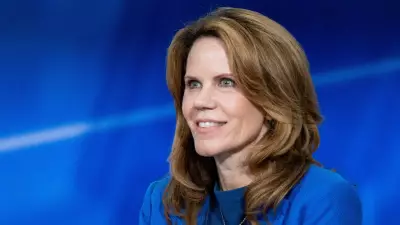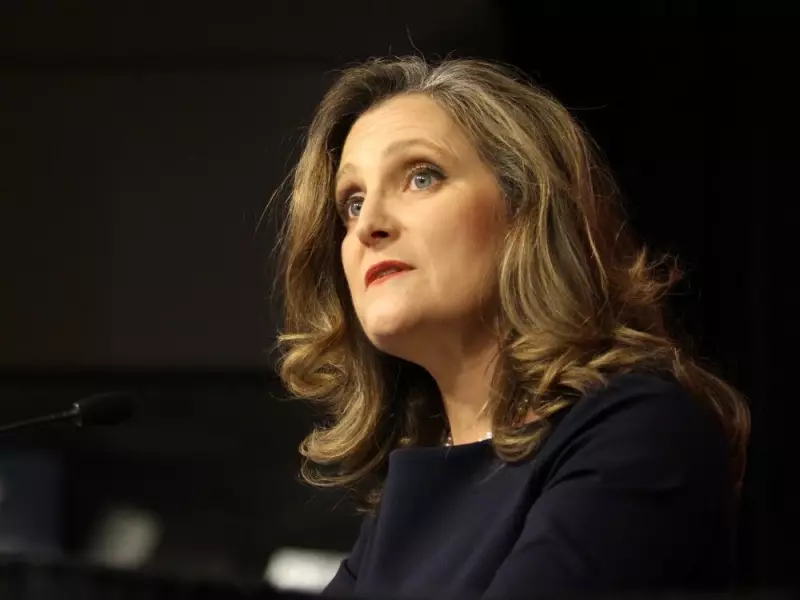
The appointment of Canadian Deputy Prime Minister Chrystia Freeland as a special economic advisor to Ukraine has ignited a debate over the nature of her financial expertise and its applicability to a nation in the midst of reconstruction.
A Questionable Appointment
On Monday, January 6, 2024, Ukrainian President Volodymyr Zelenskyy named Freeland to an advisory role, citing her "extensive experience in attracting investment and implementing economic transformations." The announcement, however, was met with immediate skepticism from some quarters in Canada, particularly concerning how her domestic economic record translates to guiding a war-torn nation's recovery. A significant point of contention was that Freeland accepted the international position without first informing her Canadian constituents.
Examining the "Investment" Record
Critics argue that Freeland's tenure as finance minister is marked not by attracting organic investment, but by deploying substantial public funds to incentivize foreign companies. A focal point of this critique is the series of electric vehicle (EV) battery plant deals in Ontario and Quebec. Analysis suggests these projects involved promising up to $52.5 billion in subsidies and support to 13 foreign corporations, a figure that critics have calculated could equate to approximately $4 million in taxpayer money per job created.

This approach, detractors claim, blurs the line between attracting genuine capital investment and subsidizing capital expenses with public money. Furthermore, they point to her failure to deliver a fall economic statement in 2023 and exceeding a deficit target by an estimated $20 billion as indicators of a problematic fiscal management style.
Political Profile vs. Economic Expertise
Since her election in 2013, Freeland has held six different ministerial portfolios, including International Trade, Foreign Affairs, Finance, and Deputy Prime Minister. In September 2023, she was appointed as Canada's Special Representative for the Reconstruction of Ukraine. Some observers suggest her rapid movement through roles may indicate a lack of deep mastery in any single one.
Proponents of her Ukraine role highlight her staunch diplomatic support for Kyiv and her success in rallying G7 nations to implement an asset freeze on Russia shortly after the 2022 invasion. Human rights advocate Bill Browder acknowledged this achievement to the Globe and Mail, though he noted it is distinct from a proven record in attracting private investment.
Freeland's new advisory duties reportedly involve collaborating with Ukrainian and Canadian political and business leaders to craft a blueprint for rebuilding the Ukrainian economy. During a November 2023 meeting with Zelenskyy in Ukraine, the president expressed hope for Canadian business involvement and investment in key sectors like energy, agriculture, and infrastructure.
The fundamental question raised by her critics is whether a strategy reliant heavily on government subsidies and fiscal largesse—which they attribute to her Canadian record—is the appropriate model for Ukraine's fragile, post-conflict economic future.