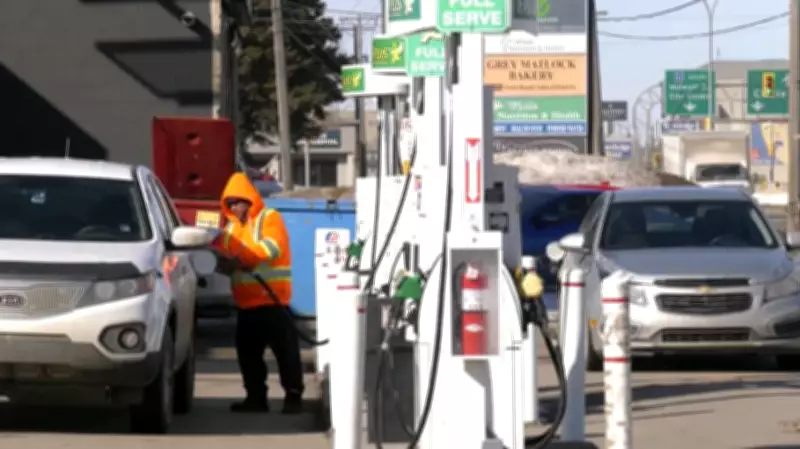
Ottawa's Fuel Tax Cut Takes Effect Amid Mixed Reaction in Saskatchewan
The federal government's fuel tax cut has officially taken effect, eliciting a range of responses across Saskatchewan. This policy change, aimed at providing economic relief to consumers, has sparked debate among residents, businesses, and policymakers in the province.
Economic Relief and Consumer Impact
For many Saskatchewan drivers, the tax cut offers immediate financial relief at the pump. With fuel prices fluctuating due to global market conditions, this reduction is seen as a welcome measure to ease household budgets. Industry analysts note that lower fuel costs could also benefit transportation and logistics sectors, potentially reducing operational expenses for businesses reliant on vehicle fleets.
However, some economists warn that the tax cut may have limited long-term benefits if global oil prices continue to rise. They argue that while consumers might see short-term savings, the overall impact on inflation and economic stability remains uncertain.

Provincial Concerns and Political Reactions
In Saskatchewan, the reaction to Ottawa's move is mixed. Provincial officials have expressed concerns about the potential loss of revenue that could affect funding for local infrastructure and public services. Critics argue that the tax cut undermines efforts to promote sustainable energy alternatives and could slow progress on environmental goals.
On the other hand, supporters of the policy highlight its role in addressing cost-of-living pressures. They point to the need for federal interventions to support households amid economic challenges, emphasizing that every bit of savings helps in tough times.
Broader Implications and Future Outlook
The implementation of the fuel tax cut comes at a time when Saskatchewan is grappling with other economic issues, such as fluctuations in the mining sector and debates over AI pricing in grocery stores. Observers suggest that this policy could influence upcoming provincial discussions on tax reforms and energy strategies.
As the effects unfold, stakeholders will be closely monitoring how the tax cut impacts provincial economies, consumer behavior, and environmental initiatives. The mixed reaction in Saskatchewan reflects broader national debates on balancing economic relief with fiscal responsibility and sustainability.