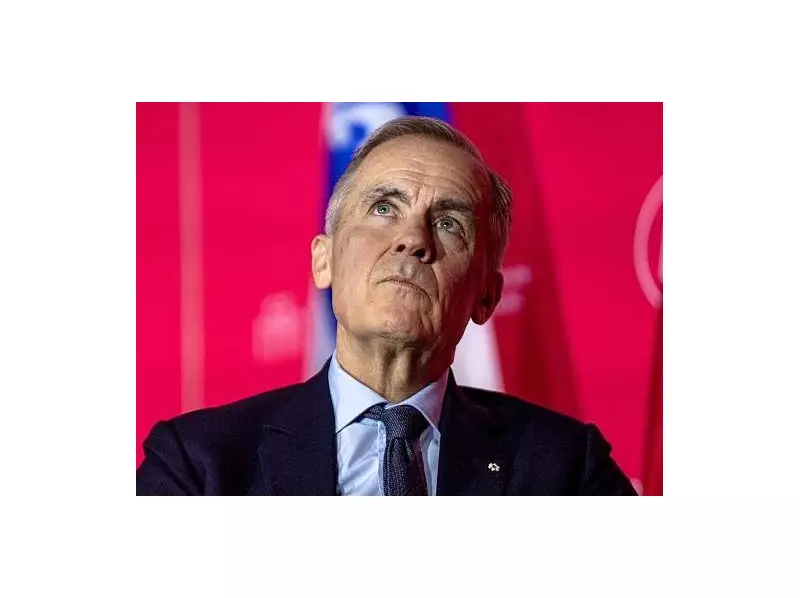
Canadian consumers are being warned they will bear the financial burden of a proposed industrial carbon tax plan championed by former Bank of England governor Mark Carney. The policy, which is gaining attention as 2026 approaches, is framed by critics as a direct threat to household affordability.
Carney's Climate Strategy Faces Scrutiny
Political columnist Jay Goldberg, in a recent analysis, characterized Carney's mission as one that will make life more expensive for Canadians starting in 2026 and beyond. The core of the concern lies in the mechanism of an industrial carbon tax, which opponents argue will lead to increased production costs for businesses. These costs, they contend, will inevitably be passed down the supply chain, ultimately landing on the bills of everyday consumers purchasing goods and services.
The Mechanism of Consumer Impact
The debate centers on how carbon pricing applied to industrial emitters functions within the broader economy. Proponents of such systems argue they are essential for driving innovation and reducing greenhouse gas emissions. However, the critical viewpoint highlighted in this discussion suggests the financial pressure on major industries will not be absorbed internally. Instead, it will translate into higher prices for a wide range of products, from manufactured goods to energy, squeezing household budgets that are already under strain from inflation and other economic pressures.

A Contentious Policy for 2026
The timing of this discussion is significant, with the plan being positioned as a key policy issue for the coming year. The publication of this critique on December 29, 2025, sets the stage for what is likely to be a heated national conversation about climate policy, economic competitiveness, and cost of living. The argument presented positions the industrial carbon tax not just as an environmental tool, but as a significant factor in the personal finances of Canadians, framing it as a dangerous proposition for consumer welfare.
The call to action for readers is clear: to engage with the debate. The original piece actively solicits feedback, asking for public thoughts in the comments section or via letters to the editor, indicating the publisher views this as a pivotal issue requiring citizen input. As the policy landscape evolves, the potential ripple effects of Carney's plan on Canada's economic and consumer environment will remain a focal point for policymakers, businesses, and families across the country.