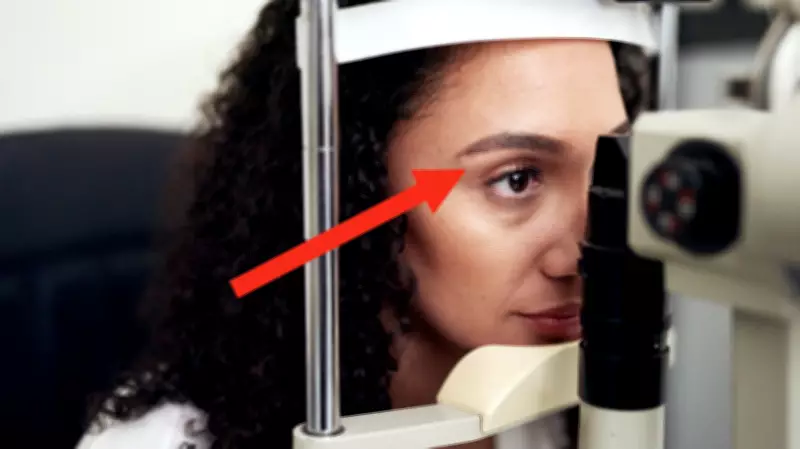
Eyes as Health Windows: Detecting Silent Diseases Through Ophthalmology
Many health conditions are not straightforward or simple, often presenting without obvious symptoms or sharing signs with other illnesses. For instance, COVID-19 can be asymptomatic, leading to undetected spread, while common ailments like colds and allergies may mimic each other. Surprisingly, the eyes can serve as early indicators of various health problems, even those unrelated to vision, offering a non-invasive glimpse into overall well-being.
"Your eyes can reveal a lot about your overall health, often before you notice any changes yourself," said Dr. Yuna Rapoport, a board-certified ophthalmologist and founder of Manhattan Eye. She and Dr. Benjamin Bert, an ophthalmologist at MemorialCare Orange Coast Medical Center in California, detail how eye exams can uncover critical health concerns, outline treatments, and advise on screening frequency.
High Blood Pressure: Visible in Retinal Vessels
While blood pressure is typically measured in the arm, the eyes provide unique insights. "The blood vessels that serve the retina are the only microvasculature observable non-invasively in the body," explained Dr. Bert. Consistently high blood pressure can thicken and stiffen small artery walls, causing veins to pinch and potentially block, leading to retinal vein occlusion. This may manifest as blurry vision or abnormal curving of blood vessels.

Treatment involves:
- Lowering and stabilizing blood pressure through lifestyle changes.
- Exercising regularly and increasing potassium intake.
- Limiting alcohol, ensuring adequate sleep, and managing stress.
- Regular medical checkups to prevent further vascular damage.
Glaucoma: The Silent Thief of Sight
Glaucoma, affecting the optic nerve, often progresses without symptoms. "It's called a 'silent thief of sight' because early stages show no noticeable signs," noted Dr. Rapoport. Damage can become permanent before detection, but eye exams can identify early indicators like increased eye pressure, color changes, corneal thinning, or blind spots.
Treatment focuses on:
- Slowing or halting progression through early diagnosis.
- Regular eye exams, even without symptoms, to monitor changes.
- Note: Vision loss from glaucoma is irreversible, emphasizing preventive care.
Diabetes: Impact on Retinal Blood Vessels
Elevated blood sugar can damage pericytes, cells maintaining retinal blood vessel integrity. "When these cells are damaged, blood vessels become incompetent," said Dr. Bert. This leads to microaneurysms, appearing as red dots, and in severe cases, leakage affecting vision.
Treatment includes:
- Controlling blood sugar and blood pressure to prevent progression.
- Medical interventions like injections to reduce leakage and abnormal vessel growth.
- Addressing vision changes promptly, as they may not be due to normal aging.
Demodex Blepharitis: Eyelid Mite Infestation
Demodex blepharitis results from an overgrowth of microscopic mites in eyelash follicles. "It can be asymptomatic or mimic allergies, but won't resolve on its own," Dr. Rapoport stated. A key sign is "eye crust" or collarettes on the eyelid margin.
Treatment offers:
- FDA-approved prescription eye drops to eliminate mites.
- Consultation with an ophthalmologist for diagnosis and management.
Brain Tumors or Masses: Swelling of the Optic Nerve
Increased cerebrospinal fluid pressure from masses can cause papilledema, or optic nerve swelling. "While not always indicative of a tumor, it requires immediate evaluation," Dr. Bert emphasized. Ophthalmologists use visual field tests to detect abnormalities, followed by MRI scans for confirmation.
Treatment involves:

- Early intervention with oncology, neurosurgery, or neurology teams.
- Timely diagnosis to improve care outcomes.
Inflammation Signaling Autoimmune Diseases
Eye inflammation can indicate autoimmune conditions like rheumatoid arthritis, lupus, or lymphoma. "Symptoms may include light sensitivity, pain, redness, or vision loss," Dr. Rapaport explained. Routine eye visits are crucial for detection.
Treatment steps:
- Topical or oral steroids to reduce inflammation.
- Autoimmune workups to identify underlying causes.
- Coordination with specialists for comprehensive care.
When to Seek Medical Attention
Annual eye exams are recommended for everyone, even without eye concerns. "Regular monitoring allows timely identification of issues," Dr. Bert advised. Frequency may vary; for example, diabetic patients might need monthly visits if retinopathy signs appear, while controlled cases may suffice with annual checks.
Prompt appointments are necessary for symptoms like:
- Eye or eyelid irritation, redness, or swelling.
- Vision changes or inflammation.
- Referrals to specialists (e.g., cardiologists for high blood pressure) if non-eye conditions are detected.
Protecting overall health requires proactive measures, as eye exams can unveil silent diseases before they escalate, underscoring the value of preventive ophthalmology in modern healthcare.