Black Voter Absence from Anti-Trump Protests Linked to Fear of Retaliation
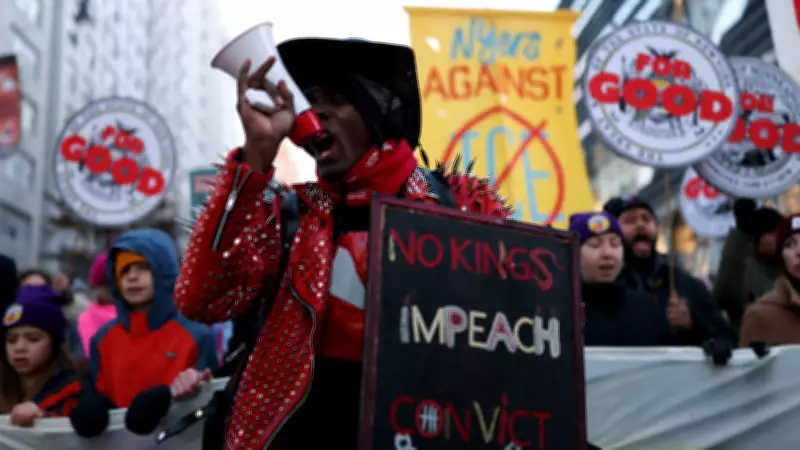
A protester holds a "No Kings, Impeach, Convict" sign during an "ICE Out" demonstration in New York on January 23, 2026. Such protests against Immigration and Customs Enforcement surged after the killing of Renee Nicole Good, a 37-year-old woman, by an ICE officer in Minneapolis on January 7, amid the Trump administration's immigration crackdown. Throughout President Donald Trump's second term, Republicans have highlighted the demographic composition of anti-administration protests, noting participants often appear whiter and older than the Democratic Party's typical image suggests.
Root Causes of Black Voter Disengagement
A new polling and research initiative, the Black Opps Project, focused on Black voters and found their relative absence from protests stems not from covert support for Trump or lack of opposition to his policies, but from deep-seated fears of political violence and economic retaliation. "It's a dangerous game to play for Black people to put their face out or say certain things right now," one male participant in a focus group explained, expressing concerns about job loss. "They're looking for any way to destroy us." Sponsored by organizations including the Coalition of Black Trade Unionists, the Black Economic Alliance, the Service Employees International Union, and the liberal donor group Way To Win, the project aims to mobilize Black voters ahead of the 2026 midterm elections.
While factors like a lack of leadership and widespread cynicism also contribute to reduced political participation among Black communities in Trump's second term, fear emerged as a significant barrier. These findings could reshape strategies for liberal and Democratic groups. Public surveys show many Black voters who backed Trump in 2024 have since turned against him, yet the Democratic Party has struggled to energize this typically loyal base in both the 2022 midterms and the 2024 presidential election.

Specific Fears and Generational Divides
When asked to identify reasons for not resisting government actions harming Black communities, 32% of registered Black voters cited potential arrest, with an equal percentage fearing mob violence. "It's scary asserting ourselves as Black folks in this resisting, because we already know about martial law. We already know Trump gives power to the police," a female focus group participant stated. "We already know that if we go out there with them people, something bad could pop off and then we're in trouble."
Additional concerns included:
- 25% of respondents believed resistance would not lead to meaningful change.
- 18% worried about professional repercussions.
Terrence Woodbury, a pollster at HIT Strategies who led the project, noted fears extend to online spaces, referencing the decline in social media activism like the "black squares" on Instagram due to targeting concerns. "This movement is largely a resistance of privilege for older people, more educated, more higher income. That's concerning because those are also the most likely voters in America," Woodbury observed, contrasting it with the 2020 protests led by marginalized groups after George Floyd's death.
The study also uncovered generational divides: older Black voters were more likely to have participated in protests, while younger Black voters less frequently cited battling racism or protecting democracy as motivations. Overall, 59% of Black voters felt Trump's policies personally harmed them, but this dropped to 41% among young men, with 42% reporting no impact.
Recommendations and Optimism for Mobilization
To address these fears, the project recommends practical measures such as digital safety trainings, pro bono legal assistance, and bail funds. Polling further revealed dissatisfaction with leadership: only 36% of registered Black voters viewed congressional Democrats as "very active" in fighting harmful government actions, despite 63% assigning them a major role. Similarly, just 41% felt civil rights groups like the NAACP and ACLU were "very active," and only 31% said the same about Black church leaders.

Despite these challenges, Woodbury remains optimistic. "I think there's an opportunity not just to recruit them to do something, but recruit them to join something, to be a part of, to join a movement and be a part of a collective," he said. Effective messaging should highlight specific Trump administration actions that harm Black voters, emphasize shared fate, and recall past successes to counter cynicism, potentially boosting turnout in the upcoming elections.