Kamala Harris Signals Potential 2028 Presidential Bid at NAN Convention
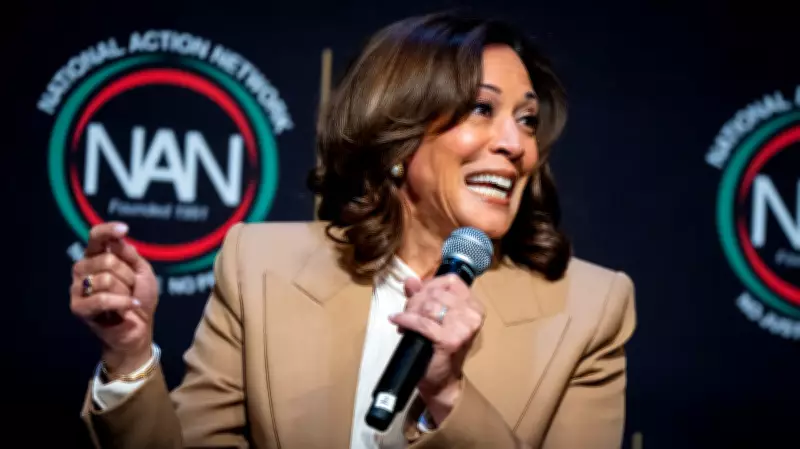
Former Vice President Kamala Harris, a key figure in the 2024 presidential race, openly hinted at a possible run for the presidency in 2028 during her appearance at the National Action Network (NAN) Convention in New York on Friday, April 10, 2026. In a conversation with Reverend Al Sharpton, Harris stated, "Listen, I might. I might. I'm thinking about it," acknowledging her serious consideration of another campaign. She emphasized her extensive experience, noting, "I served for four years being a heartbeat away from the presidency of the United States. I know what the job is and I know what it requires."
Democratic Party Reactions and Internal Divisions
Despite receiving enthusiastic applause from the predominantly Black audience at the NAN event, where she was greeted with chants of "Run again!" and a standing ovation, Harris faces skepticism within the broader Democratic Party. Many operatives and consultants express concerns about the need for change, with one anonymous donor adviser telling HuffPost, "Why would we do the same thing all over again?" This sentiment reflects a growing desire among Democrats to move away from figures associated with the Biden administration, as highlighted by a consultant who advised candidates to avoid campaigning with Harris to emphasize a "change election."
Harris's Strengths and Challenges in a Potential Primary
Harris, as the first female vice president and first Black woman to lead a national ticket, holds significant appeal among Black party loyalists, a crucial demographic in Democratic primaries due to the delegate system's weighting of southern states. However, she may face competition from other Black candidates, such as Maryland Governor Wes Moore and New Jersey Senator Cory Booker, who also garnered support at the conference. Early polls show Harris with a slight lead in the 2028 Democratic primary, ahead of contenders like former Transportation Secretary Pete Buttigieg and California Governor Gavin Newsom, but her reception at NAN, while warm, may not translate to broader party support.

Policy Positions and Voter Dynamics
During her 40-minute discussion with Sharpton, Harris focused heavily on criticizing former President Trump, particularly his foreign policy decisions, but offered limited insight into her vision for the Democratic Party's future. When addressing declining Black voter support, she suggested a more "transactional" approach, stating, "I expect to get something out of this." This comment underscores the complex dynamics within the party, as Latino and Black voters have shown increased interest in alternatives, signaling a desire for renewal beyond traditional loyalties.
Donor Concerns and Campaign Strategy
While many Democrats appreciate Harris's efforts in the 2024 election, believing she helped prevent a major defeat, donors remain wary of her campaign strategies. Criticisms include her reluctance to distance herself from President Biden and a focus on democracy issues over economic concerns. As one operative noted, "Right now, people ask these questions quietly. If she runs, they will ask them loudly." This highlights the challenges Harris may encounter in rallying financial and institutional support for a 2028 bid.
In summary, Kamala Harris's potential presidential run in 2028 is met with a mix of enthusiasm from core supporters and caution from party elites, reflecting deeper debates about direction and change within the Democratic Party as the next election cycle approaches.