Canadian democracy is in urgent need of resuscitation, according to a growing chorus of voices alarmed by public disengagement and the concentration of political power. In a direct response to widespread animosity and apathy, a transformative idea is gaining momentum: the widespread use of citizens' or peoples' assemblies.
The Democratic Diagnosis: Centralized Power and Public Disconnect
The warning signs for Canada's democratic health are stark and well-documented. Power has become increasingly concentrated within the Prime Minister's Office, a trend that sidelines elected Members of Parliament from meaningful decision-making. This centralization effectively weakens the voice of the public, as those sent to Ottawa to represent local interests find their ability to influence policy severely restricted.
The scenario in British Columbia mirrors these federal concerns. Election promises often fade once partisan candidates attain ministerial positions. Furthermore, the adversarial tone that dominates legislative debate stifles the collaboration and consensus required to tackle urgent crises, from climate change to public health.

At the municipal level, the decay is visibly evident in sparsely attended public hearings. These forums, intended for community input on plans like official community plans, frequently feature the same few speakers who express frustration at feeling ignored. The process is rarely inclusive or deliberative, and the contentious atmosphere, combined with a perceived lack of impact on final council decisions, discourages broader public participation.
A Prescribed Solution: The Power of Random Selection
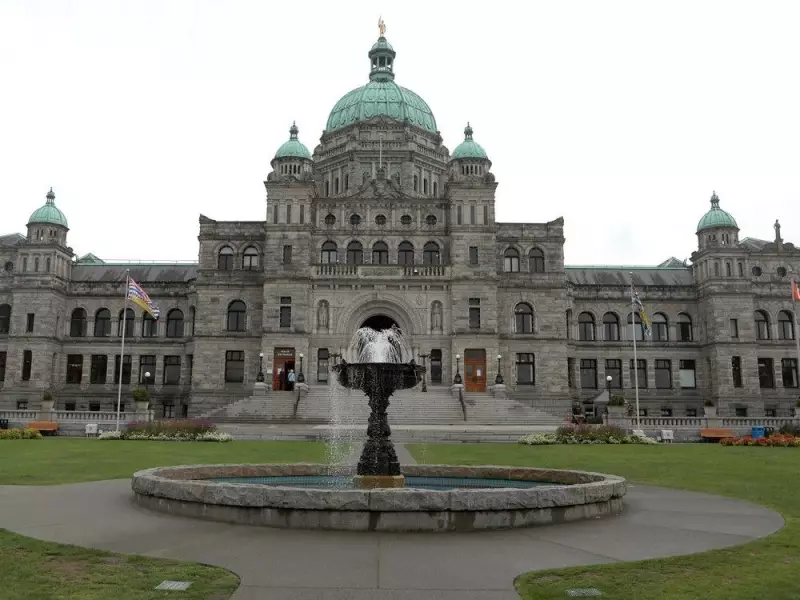
In response to this democratic malaise, a potent remedy has been formally recommended. Last month, the B.C. Legislature's Special Committee on Democratic and Electoral Reform released a significant report informed by nearly 1,000 participants. Among its key proposals is the implementation of peoples' assemblies.
This innovative model functions by randomly selecting a group of community members who collectively reflect the demographic and social diversity of their region. This assembly is then tasked with deeply examining a complex policy challenge. Over several months, participants engage in detailed research, learning about the causes and effects of the issue at hand.
The ultimate goal is for the assembly to develop informed, non-partisan recommendations for the government on how to proceed. Unlike traditional partisan debates, this process prioritizes mutual education and respect, fostering informed public opinion and rebuilding trust in governance.
The Path Forward: From Report to Revitalization
The committee's report, released in December 2025, stands as a compilation of actionable solutions aimed at revitalizing, strengthening, and reimagining democracy at a critical juncture. It arrives as public restlessness meets a search for hopeful alternatives.
Proponents like Sonia Furstenau and Maeve Maguire argue that peoples' assemblies represent a fundamental "game changer." By moving beyond combative politics and token consultations, this model hands a tangible piece of the democratic process back to everyday citizens. It offers a structured, respectful, and impactful way for the public to contribute to solving the nation's most pressing problems, potentially serving as the crucial lifeline that Canadian democracy urgently requires.