In a significant development, the Venezuelan government has released 88 more individuals who were detained in the aftermath of protests following the 2025 presidential election. This move comes over a year after the controversial inauguration of President Nicolas Maduro for a third term.
A Gesture Amid Ongoing Political Tensions
The release, confirmed on January 1, 2026, involves prisoners who were arrested during demonstrations that contested the legitimacy of the election results and Maduro's subsequent swearing-in ceremony. The protests, which drew significant crowds in the capital of Caracas, were a flashpoint for the nation's deep political divisions.
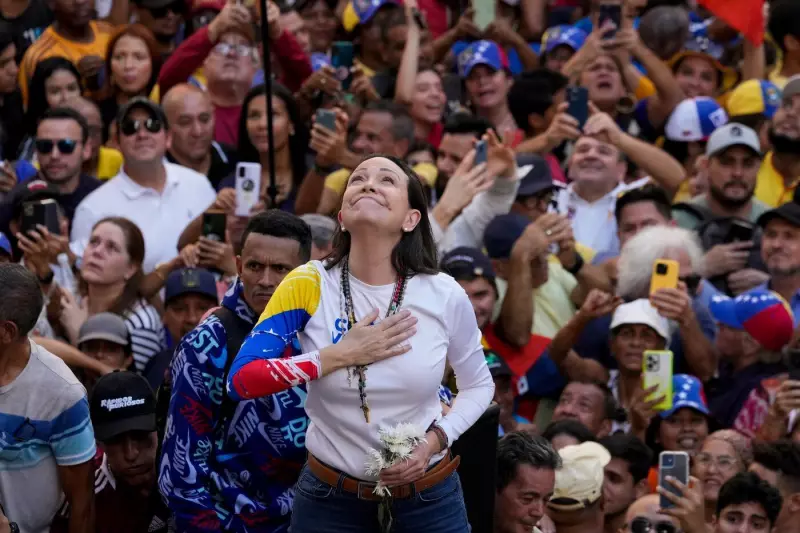
Opposition leader Maria Corina Machado was a central figure in mobilizing supporters against Maduro's government in the lead-up to his January 9, 2025, inauguration. The released detainees were among those who took to the streets during this volatile period, with many facing charges related to public unrest.

Context of the Release and International Scrutiny
While the Venezuelan administration has framed previous prisoner releases as gestures of goodwill and national reconciliation, the opposition and international human rights groups often view them through a lens of political pressure. This latest action is likely to be analyzed as part of ongoing, complex negotiations and external influences on the Caracas regime.
The situation in Venezuela remains a point of international concern, with many Western nations, including Canada, continuing to question the democratic processes and human rights record under Maduro's leadership. The release of these 88 prisoners does not signify an end to the political crisis but marks another chapter in the country's turbulent governance.
Looking Ahead for Venezuela
The freeing of these detainees raises questions about the total number of individuals still incarcerated for political reasons in Venezuela. It also highlights the persistent standoff between Maduro's socialist government and a fragmented opposition, which continues to seek avenues for political change.
As 2026 begins, this development will be closely watched by foreign governments and human rights organizations to see if it leads to further de-escalation or merely represents a tactical pause in the nation's prolonged political conflict.