A new political force is emerging with the potential to reshape the battle for control of the U.S. House of Representatives. A coalition of women military veterans, informally known as the 'Hellcats,' is organizing with a clear mission: to help the Democratic Party win back the chamber in the 2026 midterm elections.
The Strategy Behind the Veteran Mobilization
The group's name evokes a sense of fierce determination, drawing from their shared background in service. Their strategy is expected to leverage the unique credibility, discipline, and leadership skills honed in the armed forces. These veterans plan to engage in key swing districts, offering not just endorsements but also boots-on-the-ground support for Democratic candidates. Their focus will likely be on voter outreach, campaign organizing, and framing national security and veterans' issues in a way that resonates with a broad electorate.
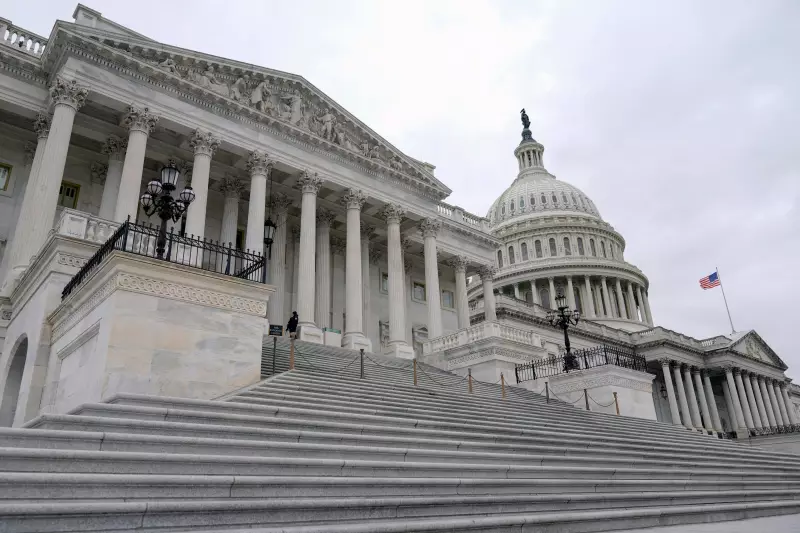
The initiative comes at a critical juncture in American politics. Following the 2024 elections, the balance of power in Congress remains tightly contested. The U.S. Capitol, and specifically the House, is seen as a primary battleground for the nation's political future. The Hellcats aim to be a decisive factor in that fight, applying the tactical precision of a military campaign to the electoral arena.

Broader Political Context and Potential Impact
This movement is part of a larger trend of veterans playing significant roles in U.S. politics, though this effort is notable for being spearheaded specifically by women. Their involvement could help Democrats address perceived weaknesses on issues related to defense and patriotism, while also energizing a key demographic. The 2026 election cycle is already drawing early strategic planning from both major parties, and the entry of this organized veteran bloc adds a new and unpredictable variable.
Political analysts suggest that the Hellcats' greatest asset may be their personal narratives. Stories of service, sacrifice, and leadership can cut through partisan noise and connect with undecided voters in a way traditional politicking often cannot. If effectively deployed, this could provide Democratic candidates with a powerful surrogate voice in competitive races across the country.
The ultimate question, as posed in late December 2025, is whether this dedicated group of former service members can translate their military experience into tangible electoral success. Their campaign within the campaign is now one of the developing stories to watch as the road to 2026 unfolds.