In a significant show of international political solidarity, right-wing figures from across the globe have publicly thrown their support behind Hungarian Prime Minister Viktor Orbán. This coordinated endorsement comes as Orbán prepares for a crucial national election, positioning him as a standard-bearer for conservative movements worldwide.
A Unifying Figure for Conservative Movements
The public backing from international right-wing leaders underscores Orbán's elevated status as a unifying figure. For years, the Hungarian leader has championed policies focused on national sovereignty, traditional values, and strict immigration controls, which have resonated deeply with conservative and populist parties in Europe and beyond. This pre-election endorsement is seen as a strategic move to bolster his domestic standing by highlighting his international relevance and the ideological alignment of his government with a growing global trend.
The support was formalized in a statement released on January 16, 2026. While the full list of signatories was not detailed in the initial report, the action signals a concerted effort to frame the upcoming Hungarian vote as a matter of international interest for the political right. Analysts suggest this move is intended to energize Orbán's base and present his re-election as a victory for a broader ideological struggle.

The Domestic and International Context
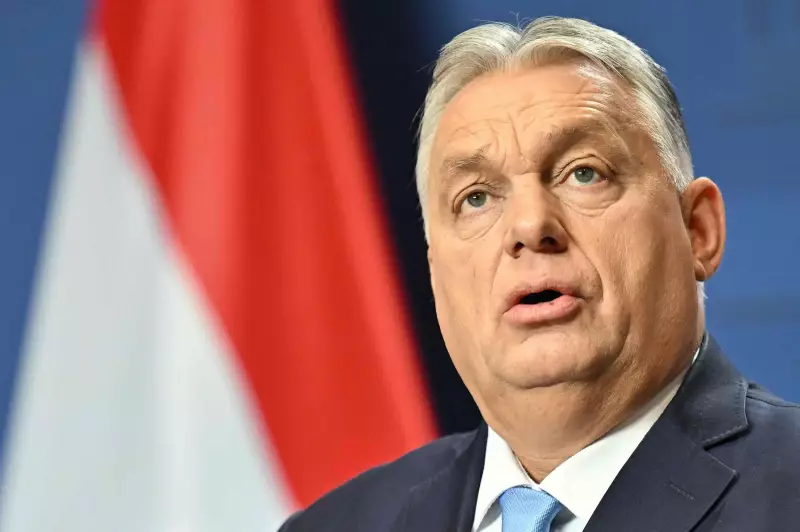
Orbán, who has served as Prime Minister of Hungary for multiple terms since 2010, held his annual press conference at the Carmelita monastery in Budapest on December 21, 2024. His government has frequently been at the centre of debates within the European Union concerning rule of law and democratic norms. This external endorsement from fellow right-wing leaders is likely a calculated response to criticism from liberal and centrist factions within the EU, aiming to demonstrate that his government has powerful allies outside the traditional Brussels framework.
The political landscape in Hungary remains deeply polarized. Orbán's Fidesz party faces opposition from a united front of opposition parties. The involvement of high-profile international figures in the campaign, even if only through statements of support, adds a new dimension to the electoral battle. It internationalizes the race and may influence undecided voters who view Orbán's connections as a source of strength and stability.
Implications for Global Political Alliances
This collective endorsement is more than a simple show of support for an individual candidate; it reflects the continued formation and strengthening of transnational right-wing alliances. In an era where digital communication allows for instant coordination across borders, political movements are increasingly looking beyond their own countries for inspiration and partnership.
The move ahead of the Hungarian election sets a precedent for future campaigns, where international endorsements could become a common tool. It highlights a shift away from politics being purely a domestic affair and points toward a more interconnected, ideologically-driven global political environment. The outcome of the election will be closely watched not only in Hungary but by conservative movements worldwide, who will see it as a barometer for their own prospects.
As the campaign intensifies, the focus will be on whether this global backing translates into tangible domestic support for Viktor Orbán and his party. The election will ultimately be decided by Hungarian voters, but the world will be watching, with the international right having now made its preferred outcome abundantly clear.