The Yukon government has commissioned a significant report to investigate a troubling trend in its democratic process: a steady decline in the number of citizens casting their ballots during territorial elections. This initiative aims to diagnose the root causes of voter apathy and propose solutions to reinvigorate civic engagement in the North.
The Scope of the Investigation
Announced on January 7, 2026, the report represents a formal effort by territorial officials to understand and counteract sinking participation rates. While specific terms of reference are being finalized, the investigation is expected to analyze historical voting data, conduct public consultations, and compare Yukon's experience with other Canadian jurisdictions. The goal is to move beyond simple observation and develop actionable strategies to boost voter engagement in future elections.
A Persistent Challenge for Yukon Democracy
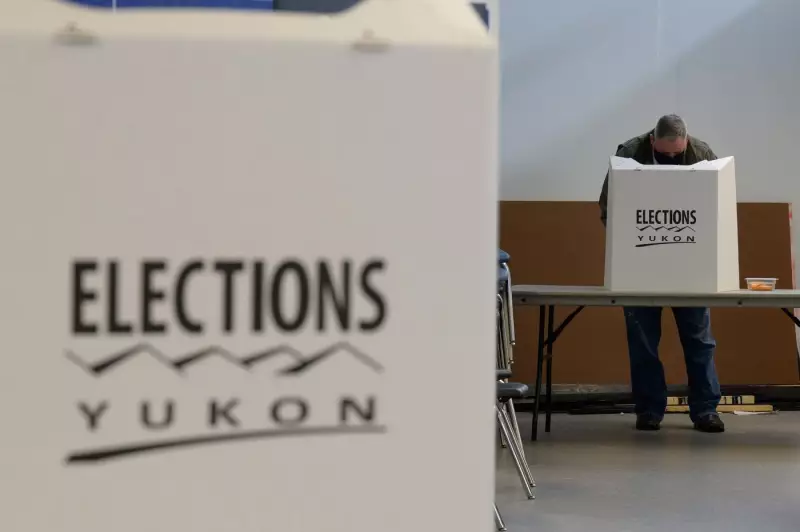
The issue of declining turnout is not new but has become increasingly pressing. The visual of a voter at a Whitehorse polling station during the Yukon election on Monday, April 12, 2021, captured by The Canadian Press photographer Mark Kelly, symbolizes the act of participation that the territory now seeks to encourage more broadly. The report will delve into potential factors behind the drop-off, which may include demographic shifts, accessibility of polling stations, political alienation, or the effectiveness of voter education campaigns.

Electoral participation is a cornerstone of a healthy democracy, and a sustained decrease raises concerns about the legitimacy of elected governments and the inclusivity of the political process. The Yukon investigation acknowledges that the problem is complex and likely influenced by a combination of social, economic, and logistical factors.
Implications and Expected Outcomes
The findings of this report could lead to substantive changes in how elections are administered in the territory. Potential recommendations might involve reforms to advance voting options, enhanced civics education in schools, targeted outreach to specific demographic groups, or even the exploration of digital voting solutions to overcome geographical barriers in the vast territory.
By proactively studying this issue, Yukon is positioning itself as a jurisdiction committed to strengthening its democratic institutions. The report's conclusions will be closely watched by other provinces and territories facing similar challenges with voter engagement. The ultimate success of the initiative will be measured by whether it can translate analysis into tangible actions that reverse the trend and bring more Yukoners back to the ballot box in elections to come.