Saskatchewan Environmental Group Appeals Fossil Fuel Power Challenge to Court of Appeal
A Regina-based environmental organization is escalating its legal battle against fossil-fueled power generation by taking an attempted charter challenge to the Saskatchewan Court of Appeal. The group argues that continued reliance on carbon-intensive energy sources violates constitutional rights and environmental protections.
Legal Grounds and Constitutional Arguments
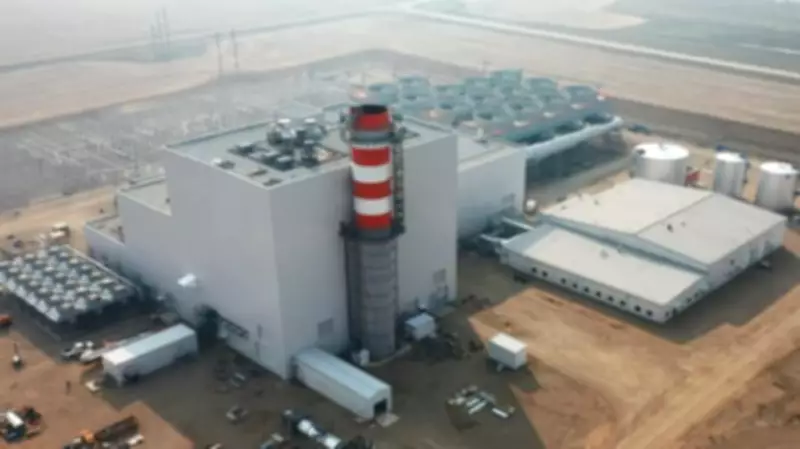
The environmental group contends that the provincial government's support for fossil fuel power plants, such as the Great Plains Power Station near Moose Jaw, infringes upon charter rights to life, liberty, and security of the person. They assert that climate change impacts from greenhouse gas emissions directly threaten public health and safety, creating a legal imperative for transition to renewable energy.
This case represents one of the first attempts in Saskatchewan to use charter arguments specifically targeting fossil fuel infrastructure. The group's lawyers are preparing extensive evidence linking local power generation to broader climate consequences, including extreme weather events and environmental degradation.

Broader Environmental Context in Saskatchewan
The legal challenge comes amid ongoing environmental concerns across the province. Recent reports indicate near- to below-normal runoff expected for most of Saskatchewan this spring, potentially affecting water resources and agricultural operations. Meanwhile, the province continues to grapple with balancing energy needs against climate commitments.
The environmental group's appeal follows initial legal proceedings that were dismissed at lower court levels. They now seek appellate review to establish precedent for future climate litigation in Canada, particularly in resource-dependent regions like Saskatchewan.
Potential Implications for Energy Policy
Should the Court of Appeal accept the case, it could trigger significant repercussions for Saskatchewan's energy sector:
- Increased scrutiny of fossil fuel power generation approvals
- Potential requirements for accelerated renewable energy transition
- Establishment of new legal standards for climate-related charter claims
- Possible influence on similar challenges in other provinces
The environmental organization has mobilized community support and scientific expertise to bolster their case, emphasizing the urgency of climate action as global temperatures continue to rise and extreme weather events become more frequent.