Over 2,000 Canadians Seek Evacuation Assistance from Middle East Amid Conflict
More than two thousand Canadian citizens have formally requested government assistance to evacuate from the Middle East, a senior official confirmed on March 4, 2026. This significant number highlights growing concerns among expatriates and travelers as regional military actions intensify.
Escalating Regional Tensions Prompt Urgent Requests
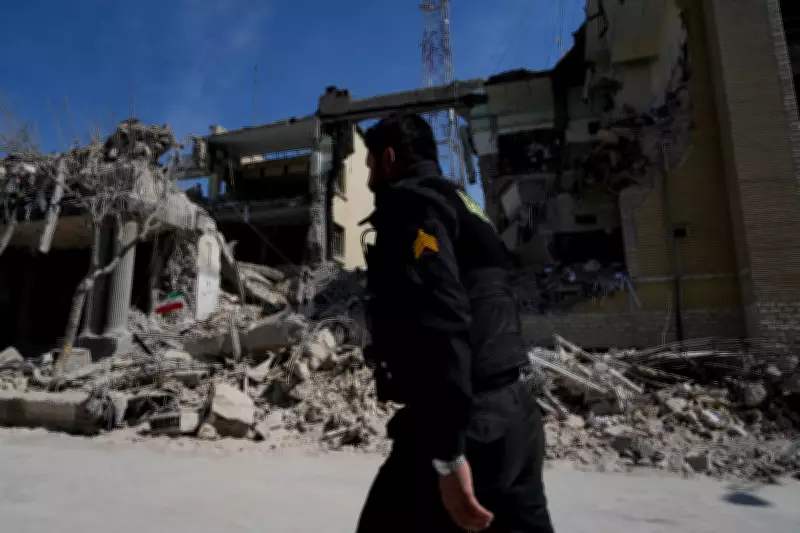
The requests for evacuation support come amid heightened instability across several Middle Eastern nations. Recent developments, including a U.S.–Israeli military campaign in Tehran, Iran, have exacerbated fears for personal safety. Video footage from March 4, 2026, showed a policeman walking past a damaged police facility in Tehran, illustrating the direct impacts of the conflict.
Canadian authorities are now coordinating with international partners to facilitate safe departures. The official emphasized that the government is prioritizing the safety of its citizens abroad, though logistical challenges remain due to the volatile security environment.

Broader Context of International Evacuation Planning
This situation aligns with broader global efforts, as Northern European nations have recently agreed to draft joint evacuation plans for crises or military conflicts. Similarly, Canada's Foreign Affairs Minister has urged NATO to shift its focus toward northern security concerns, reflecting a re-evaluation of geopolitical priorities.
The evacuation requests underscore the urgent need for robust diplomatic and logistical frameworks to protect citizens during international emergencies. As conflicts evolve, governments worldwide are reassessing their evacuation protocols to ensure swift and effective responses.
Implications for Canadian Foreign Policy
The high volume of assistance requests may influence Canada's foreign policy decisions, particularly regarding engagement in Middle Eastern affairs. Officials are monitoring the situation closely, balancing evacuation efforts with broader strategic interests.
Public awareness has been heightened by related domestic events, such as arrests at a Toronto demonstration against changes to the Ontario Student Assistance Program (OSAP), though these are separate from the Middle East crisis. The convergence of international and domestic issues highlights the interconnected nature of global security and local governance.
As the conflict continues, Canadian authorities advise citizens in the region to stay informed through official channels and register with the government for updates. The evacuation process is expected to involve coordinated flights and secure routes, with details to be announced as arrangements are finalized.