ABC television stations have filed a lawsuit against the Federal Communications Commission (FCC), arguing that the agency's early call for license renewal is unconstitutional. The legal challenge, announced on May 28, 2026, contends that the FCC's actions violate the First Amendment by imposing prior restraints on speech and exceeding its statutory authority.
Background of the Dispute
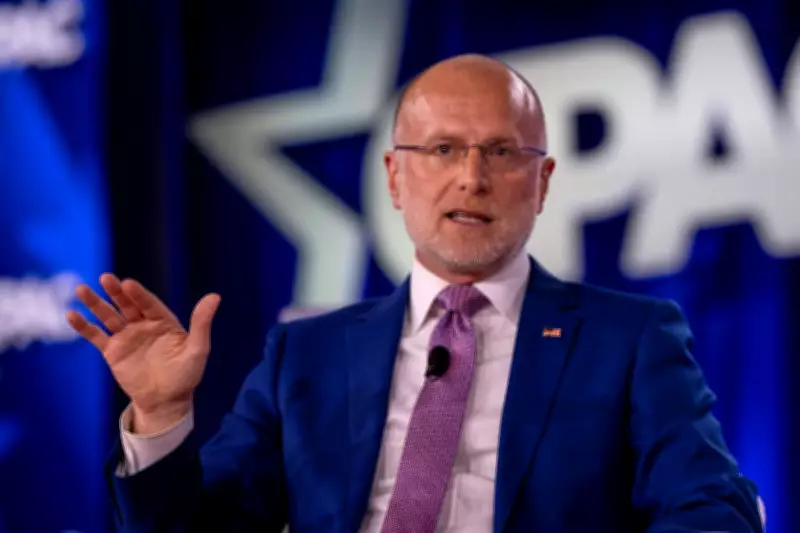
The controversy began when FCC Chairman Brendan Carr, speaking at the Conservative Political Action Conference (CPAC) in Dallas on March 27, 2026, signaled that the commission would fast-track license renewal proceedings for broadcasters. The FCC's move was seen as an effort to expedite reviews, but ABC stations argue it is an unlawful attempt to pressure media outlets.
In their filing, the stations claim that the FCC's accelerated timeline lacks due process and undermines the independence of broadcast journalism. They assert that the commission's actions are politically motivated and designed to intimidate news organizations.

Legal and Constitutional Arguments
The lawsuit, filed in federal court, seeks to block the FCC from implementing its early renewal process. The stations argue that the FCC's approach violates the Communications Act of 1934, which governs broadcast licensing, and the First Amendment, which protects press freedom. They contend that the FCC cannot impose conditions that chill speech or retaliate against stations for their editorial decisions.
Legal experts note that this case could set a precedent for how the FCC interacts with broadcasters. If successful, the challenge may force the agency to adhere to traditional renewal procedures, which involve public comment periods and evidentiary hearings.
Reactions and Implications
The FCC has defended its actions, stating that the early renewal process is intended to streamline operations and ensure compliance with technical and public interest standards. However, critics argue that the move is part of a broader pattern of political interference in media regulation.
The case has drawn attention from free speech advocates and media organizations, who view it as a critical test of regulatory overreach. The outcome could have far-reaching effects on broadcast licensing and the relationship between the government and the press.
As the legal battle unfolds, ABC stations continue to operate under existing licenses, with the court expected to issue a ruling on the injunction request in the coming weeks.