Alberta's Fiscal Future: Three More Years of Deficits as 2026-27 Shortfall Soars to $9.4 Billion
Alberta's financial landscape is set to remain in the red for the foreseeable future, with the provincial government projecting deficits over the next three fiscal years. The most alarming figure emerges in the 2026-27 budget, where the deficit is expected to balloon to a staggering $9.4 billion, highlighting ongoing economic challenges and fiscal pressures.
Budget Details and Ministerial Insights
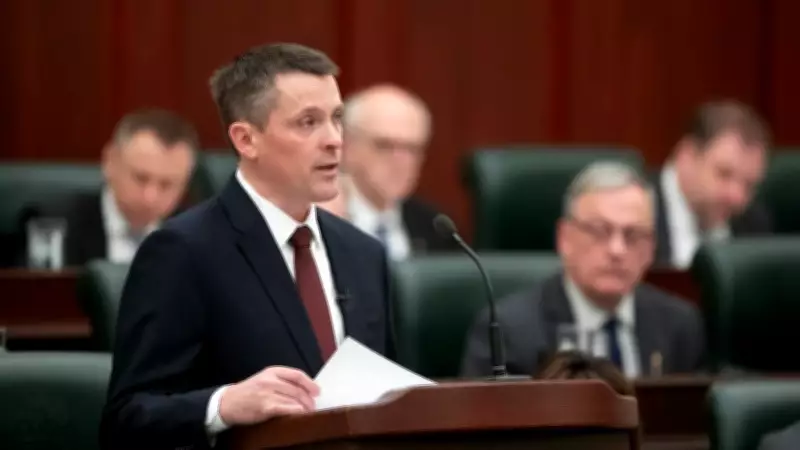
Finance Minister Nate Horner, who delivered the 2024 budget in Edmonton, has outlined a cautious yet concerning fiscal path. The projections indicate that Alberta will not return to a balanced budget until at least 2027-28, marking a prolonged period of financial strain. This extended deficit cycle is attributed to factors such as fluctuating resource revenues, increased spending on public services, and broader economic uncertainties.
The $9.4 billion deficit for 2026-27 represents a significant escalation from previous estimates, underscoring the volatility in Alberta's economy, which remains heavily reliant on oil and gas sectors. Horner emphasized that the government is implementing measures to curb spending growth and stimulate diversification, but these efforts may take time to yield tangible results.

Economic Context and Implications
Alberta's budget woes come amid a backdrop of national and global economic shifts. The province has faced headwinds from changing energy markets, environmental policies, and inflationary pressures, all of which have eroded revenue streams and increased costs. This persistent deficit trend could impact public services, infrastructure projects, and debt levels, potentially leading to tougher fiscal decisions in the coming years.
Analysts note that while Alberta has a history of budget surpluses during boom periods, the current scenario reflects a more structural imbalance. The government's reliance on non-renewable resource revenues makes it vulnerable to price swings, necessitating a broader strategy for economic stability.
Looking Ahead: Policy Responses and Public Reaction
In response to the grim forecasts, Horner has hinted at potential adjustments in future budgets, including possible tax reforms or spending reviews. However, he has also stressed the importance of maintaining key investments in healthcare, education, and infrastructure to support long-term growth.
Public and political reactions have been mixed, with opposition parties criticizing the government's handling of finances and calling for more aggressive action to reduce the deficit. As Alberta navigates this fiscal challenge, all eyes will be on upcoming budget announcements and economic indicators to gauge whether the province can steer back toward balance.
Ultimately, Alberta's budget trajectory serves as a stark reminder of the complexities in managing provincial finances in an unpredictable economic environment. With deficits set to persist, the path to recovery will require careful planning and perhaps difficult choices in the years ahead.