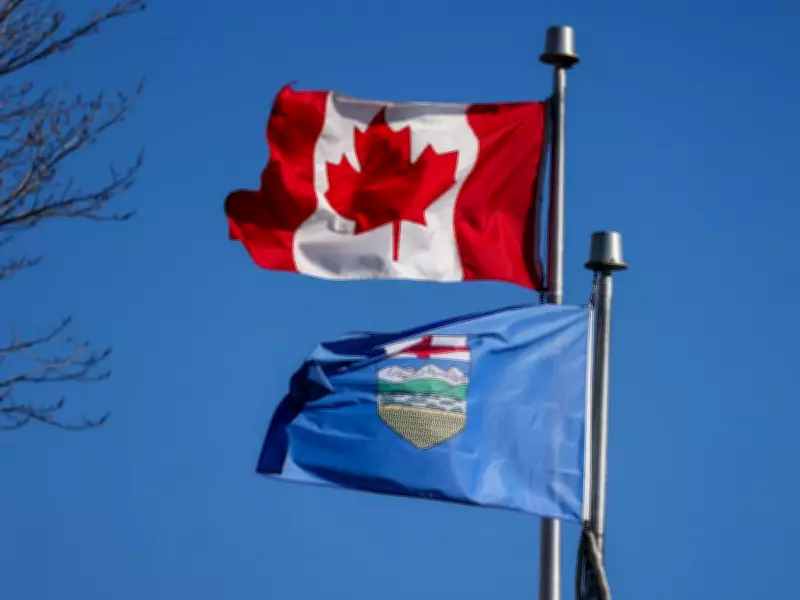
Alberta's Place in Confederation Deserves Respect, Not Repeated Liberal Condemnation
Geoff Russ presents a compelling argument that Alberta is not the black sheep of Confederation, despite what he describes as reckless and repeated denunciations from Liberal politicians and their allies. The article contends that Canada's unity depends on embracing Alberta with genuine enthusiasm and honor, rather than treating its residents as hostile elements to be contained by established political and economic elites in Ottawa and Toronto.
The Disparity in Treatment Between Quebec and Alberta
Russ highlights what he sees as a glaring double standard in how different regions of Canada are treated in national political discourse. He points to Justin Trudeau's 2010 assertion that Canada is "better served when there are more Quebecers in charge than Albertans" as a prime example of this problematic mindset. While Trudeau's subsequent tenure as prime minister might suggest he was wrong, Russ argues this hasn't stopped what he calls "paranoid and dramatic bureaucrats of Eastern Canada" from continuing to engage in Alberta-bashing.
The article specifically mentions a recent Toronto Star op-ed that declared Alberta's planned healthcare reform "a threat to every Canadian." This reform would allow physicians to practice in both private and public systems for medically essential care, enabling them to bill both the province and patients through private insurance. Russ characterizes this as hardly terrifying, noting that Westerners are often open to policy experiments that make many Easterners uncomfortable.

The Dangerous Rhetoric Against Alberta Autonomy
Russ warns that Confederation cannot endure if significant portions of the population are treated as potential fifth columns or, worse, as some sort of homegrown Taliban. He contrasts the respectful treatment extended to Quebec sovereigntists and nationalists—who are treated as serious, respectable opponents worthy of negotiation, federal commissions, and reports—with the reflexive moral scolding directed at Albertans who merely seek greater autonomy.
The article cites former Liberal leader Stéphane Dion as a case study in this disparity. While Dion has denounced Alberta separatism as "blackmail" and demanded clarity from Premier Danielle Smith about Alberta's place in Confederation, he has employed what Russ describes as "great eloquence and moderation" when discussing Quebec sovereigntists. Russ quotes Dion's pre-1995 referendum statement that secession requires consensus and is unwise based on a thin majority.
The Political Reality for Alberta
Despite Premier Smith's stated position that she does not desire an independent Alberta, Russ argues this doesn't matter to those who continue targeting the province. The core issue, according to the article, is that despite Alberta's essential economic role in Canada, it remains politically small enough to serve as a convenient target for rhetorical attacks from Liberal politicians.
Russ concludes that such denunciations are particularly toxic in a political movement where many people could still be convinced of Confederation's merits if treated with more respect. The constant negative characterization of Alberta and its aspirations, he suggests, undermines national unity and perpetuates regional divisions that Canada can ill afford.