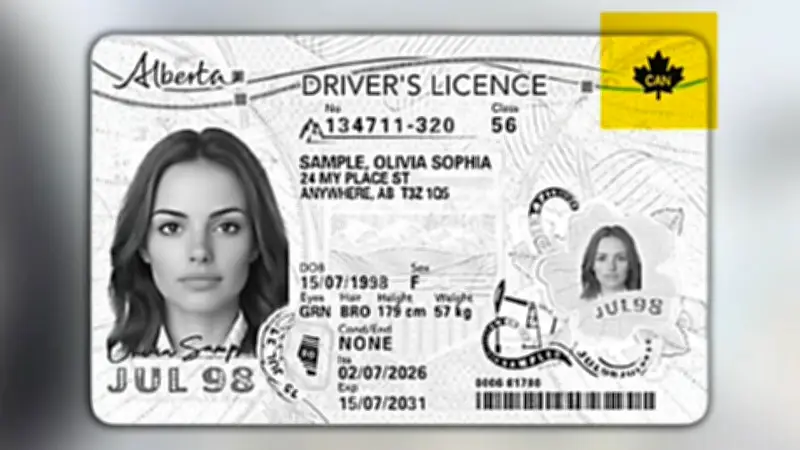
Alberta's privacy commissioner has issued new guidance as changes to the province's identification program take effect, aiming to clarify data handling practices for residents. The guidance addresses the collection, use, and protection of personal information under the updated program, which expands digital ID options and integrates with provincial services.
Key Changes to Alberta ID Program
The updated Alberta ID program, effective July 2026, introduces enhanced digital features, including a mobile driver's license and improved online verification. These changes aim to streamline access to government services but raise privacy concerns. The Office of the Information and Privacy Commissioner (OIPC) emphasized that organizations must obtain consent before collecting biometric data, such as facial recognition for digital IDs.
According to the OIPC, the guidance outlines requirements for data minimization, storage limits, and breach reporting. The commissioner stated, "We want Albertans to benefit from modern identification while ensuring their personal information is safeguarded." The guidance also clarifies that ID data cannot be used for secondary purposes without explicit consent.

Privacy Safeguards and Compliance
The OIPC recommends that government agencies and businesses adopting the new ID system implement privacy impact assessments and transparent data policies. The guidance highlights the need for encryption and secure authentication methods. Non-compliance could result in penalties under Alberta's Personal Information Protection Act (PIPA).
The changes follow consultations with privacy advocates and technology experts. The commissioner noted, "These updates reflect the evolving digital landscape and the need to balance convenience with privacy." The guidance also addresses cross-border data sharing, requiring agreements with any third-party service providers.
Impact on Residents and Businesses
Residents can opt for physical or digital ID cards, with the digital version offering features like contactless verification. Businesses must update their systems to comply with the new rules, including proper handling of ID scans and retention periods. The OIPC has set up a helpline for questions and complaints.
The privacy commissioner's office will monitor implementation and may issue further guidance as needed. The changes are part of Alberta's broader digital transformation strategy, which includes online health records and vehicle registration.