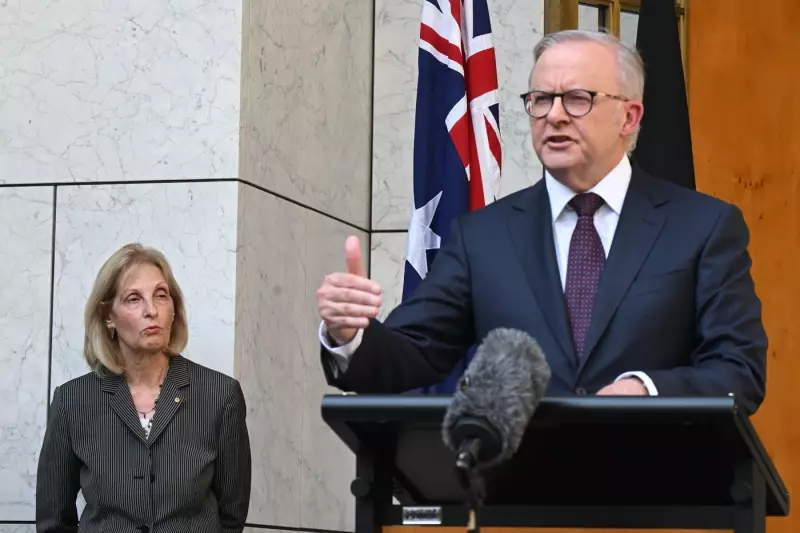
In a significant national response to rising hate, the Australian government has announced a formal royal commission into antisemitism. The decision, revealed by Prime Minister Anthony Albanese, comes in the wake of the tragic mass shooting in Bondi, an event that has heightened concerns about intolerance and violence.
A Formal Inquiry into Hate
Prime Minister Anthony Albanese made the announcement at a press conference held at Parliament House in Canberra on Thursday, January 8, 2026. He was joined by Jillian Siegel, the nation's Special Envoy to Combat Antisemitism, underscoring the government's commitment to addressing this critical issue. The royal commission represents the highest form of public inquiry in Australia, empowered to investigate systemic problems and recommend sweeping changes.
The establishment of this commission is a direct reaction to the Bondi mass shooting, a horrific incident that shocked the nation and sparked urgent conversations about community safety and social cohesion. While the specific motivations behind the Bondi attack are part of broader investigations, the event has acted as a catalyst for a deeper examination of antisemitic sentiment and hate crimes across Australian society.

Scope and Mandate of the Commission
The royal commission is expected to have a broad mandate. It will likely investigate the roots and prevalence of antisemitism in contemporary Australia, assess the effectiveness of current laws and educational programs in combating hate speech and violence, and review the responses of institutions to antisemitic incidents. Its findings will aim to provide a blueprint for stronger legal frameworks, improved community protection measures, and enhanced national education initiatives to foster tolerance.
The appointment of Jillian Siegel, an expert dedicated to this cause, to a prominent role in the announcement signals the government's intent to leverage specialized knowledge. The commission will gather testimony from community leaders, legal experts, law enforcement, and victims of hate crimes to build a comprehensive picture of the challenges faced.
National and International Implications
This move places Australia among a growing number of nations taking formal, high-level action to confront antisemitism. The royal commission's work will be closely watched both domestically and internationally, as its recommendations could set precedents for policy in other multicultural democracies. For the Australian Jewish community and other minority groups, the inquiry offers a promise of official recognition of their security concerns and a potential pathway to a safer, more inclusive society.
The decision by Prime Minister Albanese's government frames the fight against antisemitism not just as a community issue, but as a fundamental test of Australian values and social harmony. The outcomes of this royal commission will have lasting implications for national policy on hate crimes, discrimination, and community relations for years to come.