British Columbia's 2026 Budget: A Comprehensive Look at Fiscal Changes
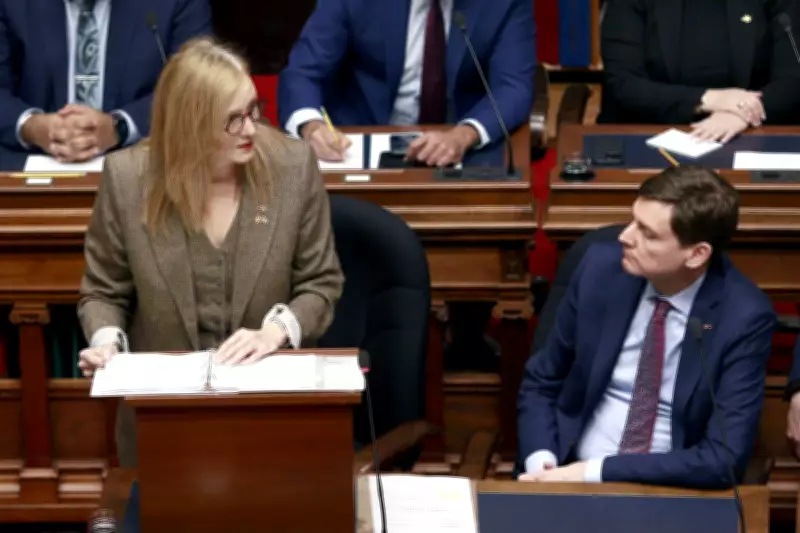
The British Columbia government has tabled its 2026 budget, introducing a series of significant fiscal measures that will impact residents and the public sector. Finance Minister Brenda Bailey presented the budget in the legislative assembly in Victoria, with Premier David Eby in attendance, outlining a plan that includes tax increases and substantial workforce reductions.
Tax Increases Across Multiple Sectors
The budget details various tax hikes that will affect British Columbians. While specific tax categories were not enumerated in the initial announcement, the government has indicated that these increases are necessary to address budgetary constraints and fund essential services. The tax adjustments are expected to generate additional revenue for the province while potentially affecting consumer spending and business operations.
Public Sector Workforce Reduction
One of the most notable announcements in the budget is the plan to cut 15,000 public sector jobs over the next three years. This reduction represents a significant downsizing of the provincial workforce and is part of the government's strategy to control spending. The job cuts will be implemented gradually across various departments and agencies, potentially affecting services and operations throughout British Columbia.

Capital Projects Paused and Re-prioritized
The budget also reveals that several major capital projects will be put on pause as the government "re-paces" its capital plan. This strategic delay allows for reassessment of project timelines and funding allocations, ensuring that resources are directed toward the most critical infrastructure needs. The pause affects various construction and development initiatives across the province.
Budget Context and Economic Considerations
The 2026 budget comes at a time when British Columbia, like many jurisdictions, faces economic challenges and fiscal pressures. The government's approach balances the need for revenue generation through tax increases with cost-cutting measures such as workforce reductions. These decisions reflect broader economic trends and the province's commitment to maintaining fiscal responsibility while addressing public service demands.
Implications for British Columbians
The budget's measures will have wide-ranging effects:
- Tax increases may impact household budgets and business costs
- Public sector job cuts could affect service delivery and employment stability
- Paused capital projects may delay infrastructure improvements and economic development
- The overall fiscal strategy aims to position British Columbia for long-term economic stability
As the budget implementation begins, British Columbians will monitor how these changes affect the province's economy, public services, and quality of life. The government has emphasized that these difficult decisions are necessary to ensure sustainable public finances while continuing to provide essential services to residents.