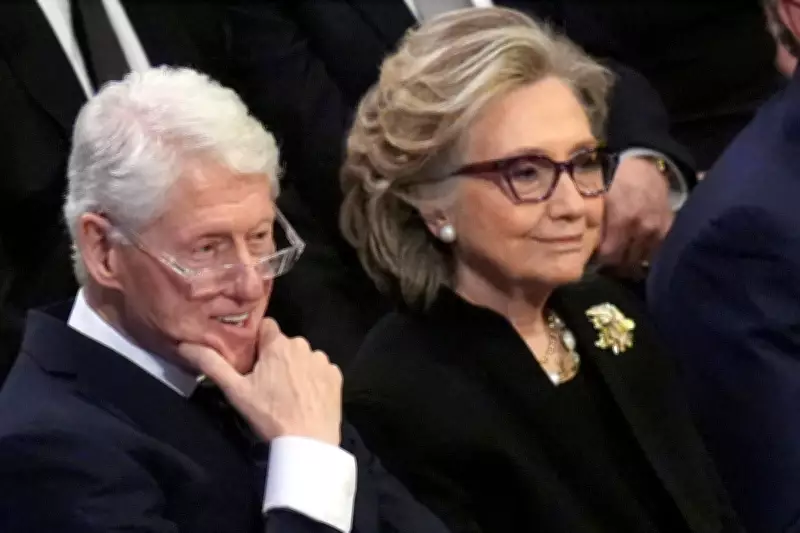
Bill Clinton to Provide Private Congressional Testimony on Epstein Ties
Former President Bill Clinton is scheduled to deliver private testimony to the U.S. Congress concerning his associations with the late financier Jeffrey Epstein. This development comes as congressional investigators deepen their probe into Epstein's network, which has implicated numerous influential individuals. The testimony, expected to be conducted behind closed doors, aims to shed light on Clinton's interactions with Epstein and any potential knowledge of his criminal activities.
Intensifying Scrutiny on High-Profile Figures
The decision to call Clinton for testimony underscores the ongoing congressional efforts to unravel the full extent of Epstein's connections. Epstein, who died in jail in 2019 while awaiting trial on sex trafficking charges, had ties to a wide array of powerful figures across politics, business, and entertainment. Clinton's testimony is part of a broader investigation that seeks to hold accountable those who may have enabled or benefited from Epstein's illicit operations.
According to sources familiar with the matter, the private nature of the testimony is intended to ensure a thorough and candid examination without the distractions of public media scrutiny. This approach allows investigators to delve into sensitive details that might otherwise be withheld in a public setting. The testimony is expected to cover Clinton's travel records, communications, and any financial transactions linked to Epstein.

Political and Legal Implications
The involvement of a former president in such a high-profile investigation carries significant political and legal weight. Clinton's testimony could potentially influence public perception and legal outcomes, especially as other figures, including former President Donald Trump, have also faced questions about their Epstein connections. Analysts suggest that this testimony might prompt further inquiries into other prominent individuals, amplifying the scandal's reach.
In related developments, Hillary Clinton is also slated to testify about her connections to Epstein, highlighting the bipartisan nature of the scrutiny. Her testimony is anticipated to address similar concerns regarding associations and knowledge of Epstein's activities. Together, these testimonies could provide critical insights into how Epstein managed to cultivate relationships with such high-level figures over decades.
Broader Context and Public Reaction
The Epstein case has remained a focal point of public and media attention due to its implications for justice and accountability. Victims' advocacy groups have long called for transparency and accountability from all individuals connected to Epstein, emphasizing the need for a comprehensive investigation. Clinton's private testimony is seen as a step toward addressing these demands, though some critics argue that public hearings would offer greater transparency.
As the investigation progresses, lawmakers are expected to review the testimonies for any evidence of wrongdoing or lapses in judgment. The outcomes could lead to legislative changes aimed at preventing similar abuses of power in the future. Meanwhile, the public remains divided, with some viewing the testimonies as a necessary pursuit of justice, while others see them as politically motivated maneuvers.
In conclusion, Bill Clinton's upcoming private testimony to Congress marks a pivotal moment in the ongoing Epstein investigation. It reflects the enduring quest for accountability in a case that has exposed deep-seated issues within elite circles. As details emerge, the testimony will likely fuel further debate and action, shaping the legacy of this scandal for years to come.