Bill Maher Reverses Position on Iran Conflict, Calls for U.S. Withdrawal
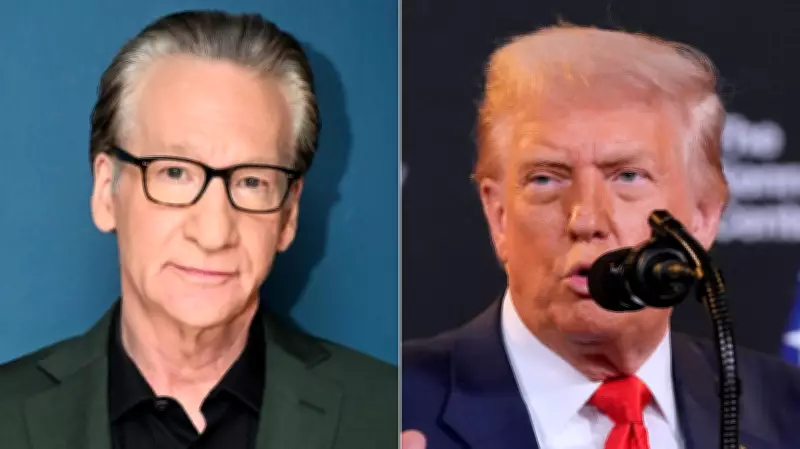
In a significant reversal of his earlier stance, comedian and political commentator Bill Maher expressed hope on Friday that President Donald Trump would "cut and run" from the escalating conflict with Iran. This marks a dramatic shift from Maher's position just five weeks ago, when he publicly supported the initial U.S. military strikes and harshly criticized those who opposed them.
From Hawkish Support to Strategic Doubt
During a recent episode of his HBO program "Real Time," Maher acknowledged his changed perspective to guest Douglas Murray, a New York Post contributor and vocal advocate for Israel's military actions in Gaza and Iran. "Now you and I, I think, were on the same page when this started six weeks ago," Maher stated. "We thought it was the right thing to do to take this shot now to deal with Iran once and for all, not just because of the nuclear threat, but because intelligence suggested they were weeks away from possessing multiple nuclear devices."
Maher's initial support echoed claims from billionaire Trump ally Steve Witkoff, the U.S. Special Envoy for the Middle East, who has faced accusations of potential conflicts of interest involving cryptocurrency dealings during diplomatic negotiations.

Strategic Reassessment and Changing Tactics
"I thought it was worth taking the shot," Maher told Murray. "But six weeks later, I think we're at a different strategic position. I read your column today advocating for finishing this conflict at any cost. I was never on that page. I was on the page that viewed this as a strategic opportunity."
The comedian explained that he initially believed the U.S. could "wipe out the entire Iranian leadership simultaneously" and trigger a popular uprising, only to see Iran demonstrate unexpected defensive capabilities by closing the strategically vital Strait of Hormuz. "We executed the plan, and it didn't achieve the intended results," Maher admitted. "Now we face the critical decision: do we withdraw or double down? I genuinely hope Donald Trump proves to be the abandoner he's consistently demonstrated himself to be throughout his career."
Historical Context and Political Commentary
Maher's current position contrasts sharply with his response to Trump's initial strikes in February, when he admitted "I don't hate it" while mocking former Vice President Kamala Harris for her opposition. He had previously defended the administration against critics including Tucker Carlson, Candace Owens, and Nick Fuentes, declaring "I'll stand with Trump on this particular issue."
On Friday, however, Maher framed potential withdrawal as consistent with American historical patterns. "I hope he does what America has consistently done in similar situations," Maher commented. "Those who worry about developing a reputation for cutting and running misunderstand our history. We've withdrawn from Vietnam, Iraq, Afghanistan, Beirut, and abandoned Kurdish allies. That's our established pattern. If you align with us strategically, you should understand this reality."
Maher concluded with characteristically blunt political analysis: "That's Donald Trump's essence. He might be difficult, but he's our difficult leader." This commentary highlights the evolving debate surrounding U.S. foreign policy in the Middle East and the complex political calculations influencing public discourse about military engagement.