Canada is actively pursuing deeper defence partnerships with Japan during its largest-ever trade mission to the Indo-Pacific, marking a significant shift in bilateral relations. The mission, which includes over 100 Canadian companies and government officials, aims to strengthen economic ties while addressing shared security concerns in the region.
Record-breaking trade mission
The trade mission, led by International Trade Minister Mary Ng, is the largest Canadian delegation ever sent to the Indo-Pacific. It includes representatives from sectors such as clean technology, agriculture, and advanced manufacturing. The trip underscores Canada's commitment to diversifying trade partners amid global uncertainties.
According to a government official, the mission is expected to generate over $500 million in new business deals. Japan is Canada's fourth-largest trading partner, with bilateral trade exceeding $25 billion annually.

Defence cooperation at the forefront
Defence Minister Bill Blair highlighted the importance of security collaboration during the mission. “Canada and Japan share a vision for a free and open Indo-Pacific,” Blair said. “We are exploring new opportunities for joint exercises, technology sharing, and defence procurement.”
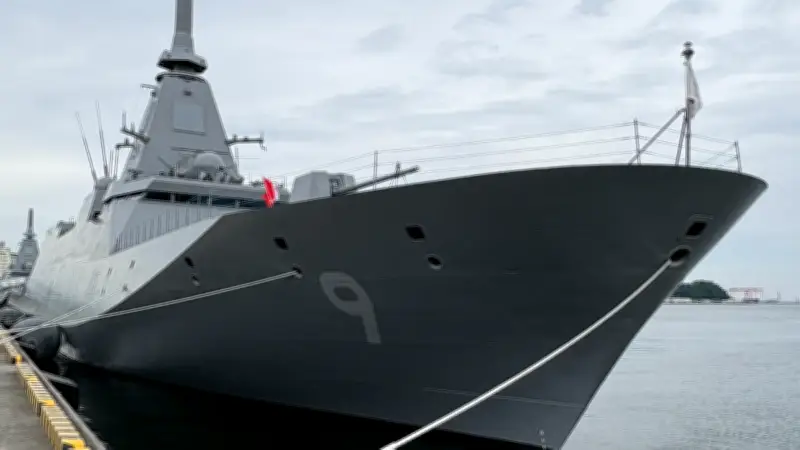
The JS Natori, a newly commissioned frigate built by Mitsubishi Heavy Industry, was showcased during a visit by Canadian officials to a Japanese naval base. The vessel is part of Japan's efforts to modernize its Self-Defence Force amid rising tensions in the region.
Strategic context
The push for defence partnerships comes as both nations face increased assertiveness from China in the South China Sea and East China Sea. Japan has been strengthening its military capabilities under a new national security strategy adopted in 2022, which includes plans to double its defence budget to 2% of GDP by 2027.
Canada, meanwhile, released its Indo-Pacific Strategy in 2022, pledging $2.3 billion in investments for regional security, development, and trade. The strategy emphasizes partnerships with like-minded democracies such as Japan, Australia, and South Korea.
Economic dimensions
Beyond defence, the trade mission focuses on critical minerals, artificial intelligence, and renewable energy. Canada is a major supplier of minerals like lithium and nickel, essential for Japan's electric vehicle and battery industries.
“This mission is about building resilient supply chains,” said Ng. “Japan is a key partner in ensuring our economies can withstand future shocks.”
Reactions and next steps
Japanese officials have welcomed Canada's increased engagement. “We see Canada as a vital partner in maintaining regional stability,” said Japanese Foreign Minister Yoko Kamikawa. “Our defence cooperation will continue to deepen.”
The mission concludes with a joint communiqué expected to outline new initiatives in cybersecurity, maritime security, and defence technology. Both nations are also exploring a reciprocal access agreement to facilitate joint military training.