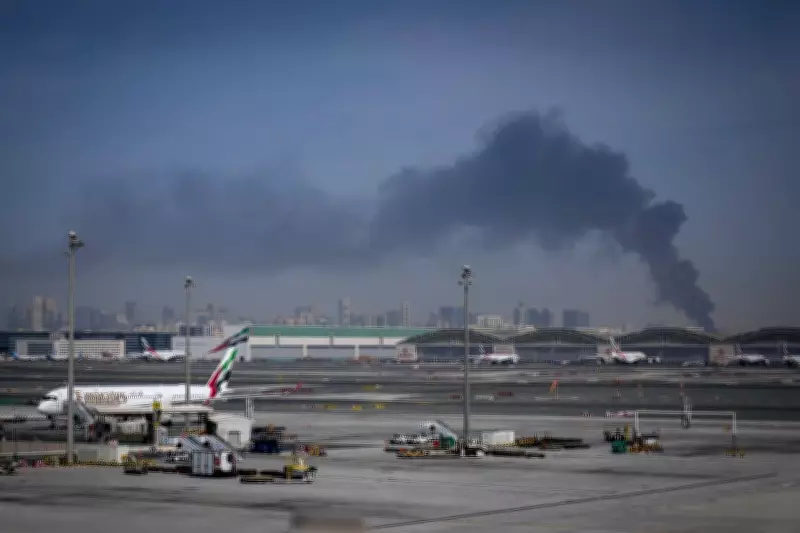
The Canadian government has taken decisive action to ensure the safety of its citizens abroad by organizing a chartered flight to evacuate approximately 180 individuals from Dubai. This emergency measure was implemented in response to the sudden closure of Dubai International Airport, a major global travel hub, which has been significantly disrupted by escalating regional tensions.
Immediate Response to Airport Closure
On Sunday, March 1, 2026, Dubai International Airport was forced to cease operations following an Iranian strike in the region. The closure created immediate travel chaos, stranding thousands of passengers, including a substantial number of Canadians. Photographs from the scene depicted a plume of smoke visible in the background as Emirates planes remained grounded on the tarmac, highlighting the severity of the situation.
The Canadian authorities moved swiftly to coordinate the evacuation effort, recognizing the urgent need to repatriate citizens caught in the unfolding crisis. The chartered flight, which departed on March 6, 2026, represents a critical lifeline for those affected, providing a secure route out of the area amidst the uncertainty.

Broader Context of Regional Instability
This evacuation occurs against a backdrop of heightened geopolitical friction in the Middle East. The incident underscores the vulnerability of international travel infrastructure to regional conflicts and the importance of governmental preparedness for such emergencies. Canada's proactive approach in arranging this flight demonstrates a commitment to citizen safety overseas, particularly in volatile regions.
While the primary focus remains on the safe return of evacuees, this event also draws attention to the wider implications for global aviation and diplomatic relations. The disruption in Dubai serves as a stark reminder of how quickly travel can be impacted by geopolitical events, necessitating robust contingency plans from nations worldwide.
The successful execution of this evacuation mission will likely be reviewed as a case study in crisis management, offering insights into how countries can effectively respond to similar situations in the future to protect their nationals abroad.