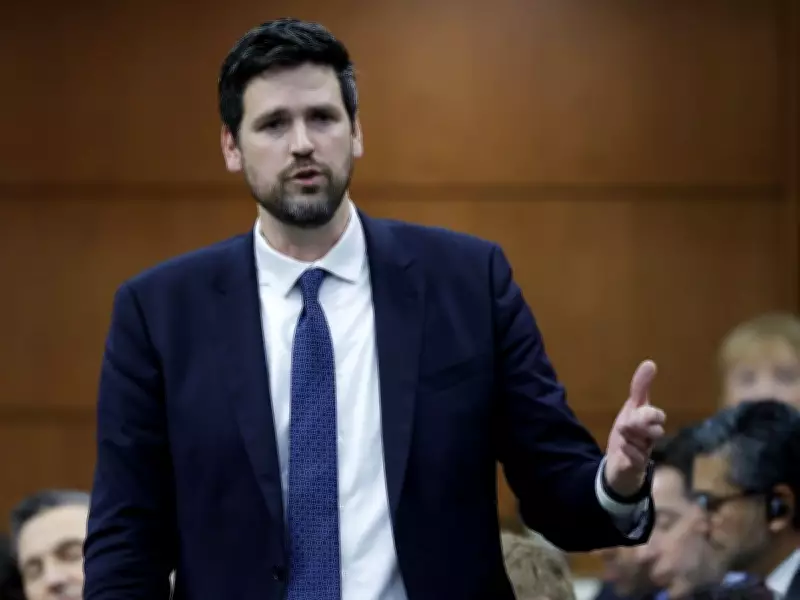
Canada's Justice Minister Sean Fraser expressed openness Tuesday to expanding the government's definition of sexualized deepfakes, as opposition MPs push for amendments to the proposed law criminalizing their distribution. Speaking one day before parliamentarians on the justice committee begin clause-by-clause study of Bill C-16, Fraser indicated willingness to consider changes based on expert testimony.
Background on Bill C-16
The Liberal government's latest justice legislation updates the Criminal Code definition of 'intimate images' to include 'visual representations' created by electronic or mechanical means. This targets the distribution of sexual images made using generative AI—a phenomenon police, school boards, and gender-based violence advocates have warned is increasing.
Concerns from Advocates and Experts
Witnesses before the parliamentary justice committee warned the government's definition is too narrow. They argued it may not capture images deemed 'unrealistic' or those showing individuals 'nearly nude,' as seen with Elon Musk's Grok AI chatbot on X. Experts also called for criminalizing not just distribution but also the creation of such images.

Opposition Amendments
NDP MP Leah Gazan confirmed her party will present amendments Wednesday to widen the proposed scope. 'It needs to be expanded, certainly around nudes, certainly clarity around the definition about what a deepfake is,' she said. 'It's still unclear in the bill.' Conservatives are also eyeing changes, with Ontario MP Larry Brock suggesting amendments are forthcoming.
Government's Rationale
Fraser explained the government based its definition on the Criminal Code's wording for non-consensual sharing of intimate images, known as 'revenge porn.' He noted significant jurisprudence on this issue, helping define what should be criminal. While open to changes, Fraser cautioned against compromising the timeline to avoid delaying the bill into the fall.