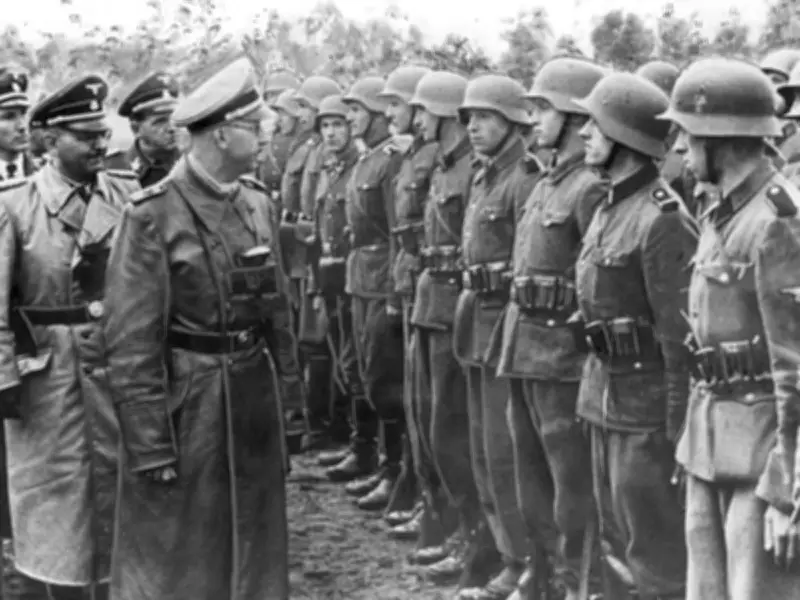
Canada's Post-WWII Welcome to Nazi War Criminals: A Shameful Chapter
We should not have been too shocked when Parliament mistakenly honored a veteran of a Nazi SS unit in 2023. After the Holocaust, this country emerged as a preferred destination for countless European war criminals. They were actively welcomed by the government, and despite their heinous crimes, they were allowed to live peaceful, prosperous lives in Canada. Some even constructed monuments here to commemorate their wartime activities. What remains truly shocking is that almost none of these individuals faced any consequences for their atrocities.
The Historical Context of Canada's Immigration Policies
Following World War II, Canada implemented immigration policies that inadvertently or deliberately facilitated the entry of individuals with ties to Nazi regimes. These policies were part of broader post-war reconstruction efforts, but they overlooked the dark backgrounds of many applicants. The government's welcoming stance enabled war criminals to integrate into Canadian society, often without scrutiny or accountability for their past actions.
This historical oversight has left a lasting stain on Canada's national conscience. The fact that these individuals could build new lives and even memorialize their wartime exploits in Canada highlights a systemic failure in post-war justice and immigration vetting processes.

The Legacy of Unpunished Atrocities
The lack of consequences for these war criminals has profound implications. It raises questions about Canada's commitment to human rights and justice in the aftermath of one of history's darkest periods. Many of these individuals lived out their days in comfort, while survivors of their atrocities struggled with trauma and loss.
This chapter in Canadian history serves as a reminder of the importance of vigilance in immigration and justice systems. It underscores the need for thorough background checks and accountability measures to prevent similar oversights in the future.
Reflections on Modern Implications
The 2023 incident in Parliament, where a Nazi SS unit veteran was honored, brought this shameful history back into public discourse. It sparked renewed calls for acknowledgment and reconciliation regarding Canada's role in harboring war criminals. This event has prompted discussions about how nations address their past mistakes and work towards a more just and transparent future.
As Canada continues to grapple with this legacy, it is crucial to learn from these historical errors. Ensuring that such oversights are not repeated requires ongoing education, policy reforms, and a commitment to upholding human rights in all aspects of governance and immigration.