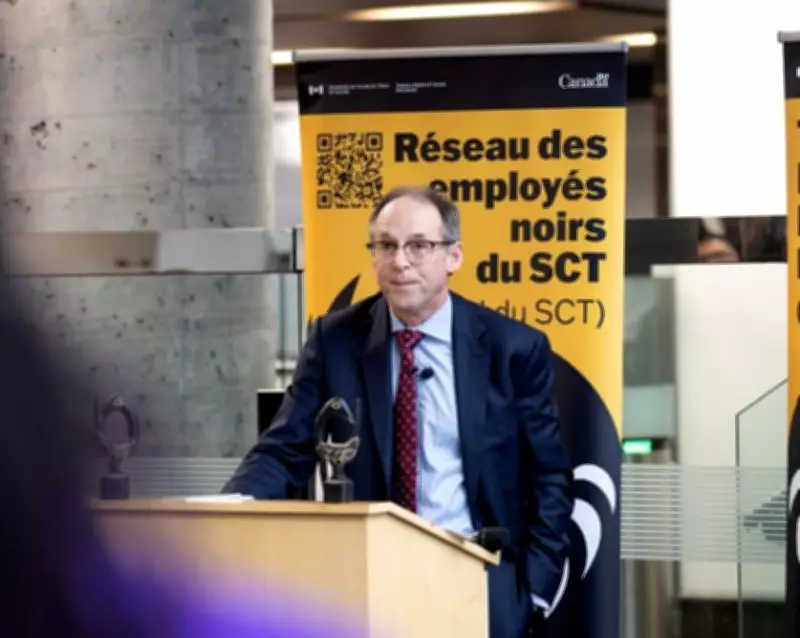
The federal public service will transition away from desk hoteling and reintroduce assigned seating wherever feasible, according to Bill Matthews, secretary of the Treasury Board. This policy shift aims to enhance team cohesion and productivity, as highlighted in a Commons committee meeting on government operations held Tuesday, May 5.
Transition to Assigned Seating
“We’re going to go — to the extent we can — to assigned seating, so teams can be together,” Matthews stated. “Workforces are more productive that way.” He acknowledged that the change will not happen overnight, noting that some workplaces may not be able to support assigned seating immediately due to existing infrastructure constraints.
“It will evolve,” Matthews explained. “The extent we can get to more assigned seating, we will do that, but that will take some time and it will vary by minister and by department because there was growth across the public service that was not supported with real property additions.”

Consultation and Rationale
The decision to move away from desk hoteling was informed by consultations with departments. “It’s better if people have their own workspace,” Matthews said in French. “Teams prefer to work together with an office, and not a shared office.” This marks a significant reversal from the government’s earlier approach, which had embraced hoteling long before the pandemic sent workers home.
Shared Services Canada Leads the Way
The shift in policy follows a recent move by a branch of Shared Services Canada, which told employees last month that it would implement a “neighbourhood model” for its staff in the National Capital Region starting in September. The operations and client services branch will group teams together in specific areas within buildings, shut down satellite co-working locations, and assign workers to individual stations. Additionally, the branch will discontinue the use of Archibus, a software program used for booking workstations.
Impact on Desk Hoteling Rates
Under the current hybrid work model, desk hoteling remains widespread in government office buildings. An Ottawa Citizen analysis of government data revealed that at least 50 per cent of staff at nearly 40 departments and agencies in the core public administration did not have assigned workspaces in 2024. Observers had anticipated a drop in desk hoteling rates if workers were required to return to the office more frequently.
Space and Property Implications
The move to embrace assigned seating raises questions about potential space shortages. Public Services and Procurement Canada, the federal government’s property manager, has acknowledged that the government may need to acquire additional office space to accommodate employees on site four days each week. This would reverse a previous commitment to reduce the government’s building portfolio by half over the course of a decade. The July 6 deadline for bringing most public servants back into the office four days a week (up from three days) adds urgency to these considerations.