An extraordinary exchange with potentially dramatic consequences for Canada took place at the United Nations Security Council on Tuesday. Vasily Nebenzya, Russia's permanent representative at the UN, told the council that his country's intelligence agency believes Latvia is deploying Ukrainian drones on its territory, with the intention of attacking Moscow.
"Membership of NATO will not protect you from just retaliation," he told Latvia's ambassador, Sanita-Pavluta Deslandes, who dismissed the allegations as "completely baseless" and "dangerous lies."
Direct Threat to NATO Member
The direct threat to a NATO and European Union member is being taken seriously. Ursula von der Leyen, the president of the European Commission, said the threat against one EU member state "is a threat against the entire union." Analysts suggested the escalation against the Baltic states is a standard Russian tactic when it is plotting hybrid provocations or even something more direct.

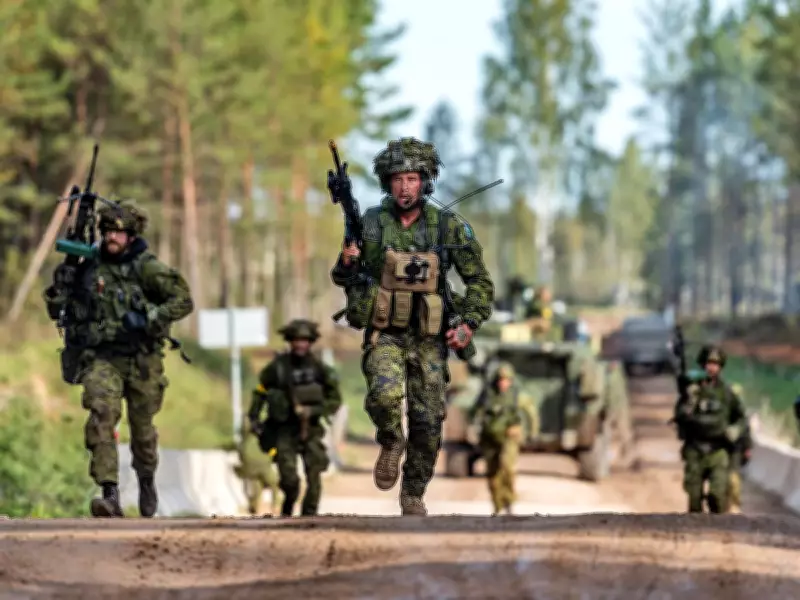
For Canada, which has 2,000 troops in Latvia and commands a NATO multinational brigade as part of Operation Reassurance, the Russian threat is of immediate concern. Foreign Affairs Minister Anita Anand was in Latvia this week and reassured her hosts that Canada is committed to leading the 14-nation brigade until 2029. The Multinational Battle Group Latvia website boasts of its "strong deterrent presence against any adversary" and its readiness "to defend Alliance territory, if necessary."
Canadian Troops Ready to Fight
One reservist who was deployed to Latvia told me he believes the brigade is prepared to fight, mentally and physically, and is more ready to do so than at any time since the 4 Canadian Mechanized Brigade Group was Canada's forward deployed ground force in West Germany during the Cold War. The Forces haven't seen combat since Afghanistan, but recent reports from Latvia by Defence News said the original "tripwire" deterrence — essentially a plan to wait for reinforcements to arrive — has evolved into a credible defence plan, with troops in forward locations on the country's eastern border expected to fight and hold ground.
While it seemed almost inconceivable that the Canadian Forces could be involved in a shooting war in Europe when they were first committed in 2017, that is now a very real prospect. Nerves within NATO have been frayed by recent American troop draw-down announcements. The latest was the cancellation of a rotation of 4,000 U.S. troops to Poland. President Donald Trump's former secretary of state, Mike Pompeo, posted on social media that the "puzzling" decision is not the message the U.S. should be sending to Russian President Vladimir Putin.
Canada's role in Latvia has evolved from a symbolic presence to a credible fighting force. The question remains: will Ottawa fully back its troops if conflict erupts? The answer may determine not only the safety of Canadian soldiers but the credibility of NATO's collective defence commitment.