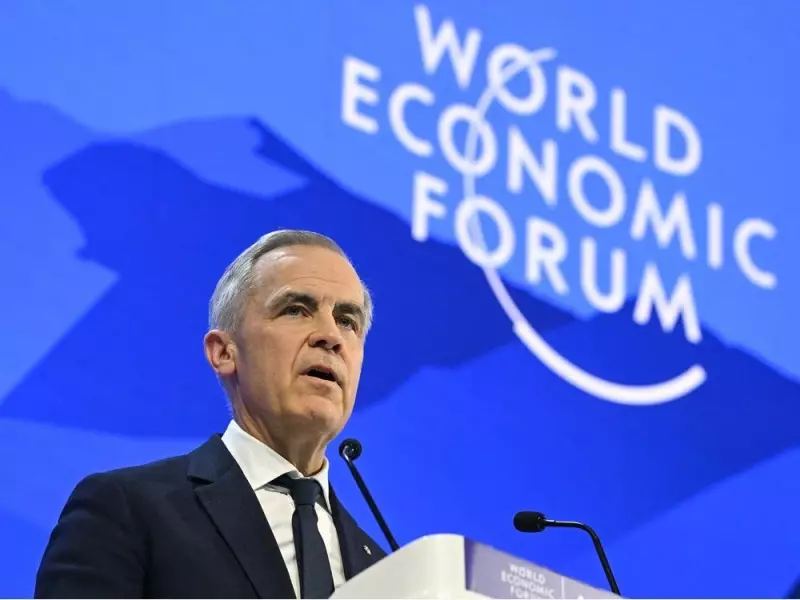
Carney's Davos Address Marks Shift in Canadian Leadership Approach
Prime Minister Mark Carney's recent speech at the World Economic Forum in Davos, Switzerland, has signaled what many observers are calling a new era of leadership for Canada. Delivered with a calm and rational demeanor that stood in stark contrast to the self-aggrandizing rhetoric common among other Western leaders, Carney's address earned three separate outbursts of applause from the international audience.
Even some of Canada's most conservative critics found themselves impressed by the prime minister's performance, which reflected traditional Canadian values of straightforward opinion and logical commentary. The speech's reception suggests a potential turning point in how Canada presents itself on the global stage.
The Core Message: Dealing With Reality
At the heart of Carney's address was a crucial philosophical stance, paraphrased as: "We need to deal in the world as it is and not the world as we wish it was." This pragmatic approach represents a significant departure from what the prime minister characterized as years of Canadian leaders allowing the country's international standing to deteriorate through arrogant lecturing while avoiding commitments to national defense.

For too long, according to Carney's implied critique, Canada has inadequately shared its resources while failing to address critical domestic vulnerabilities. Military leaders have been pleading for better protection of Arctic sovereignty, yet the nation has watched as its army, navy, and air force struggled with aging equipment and dwindling personnel.
Defense and Energy: Missed Opportunities
The speech highlighted specific areas where Canada's approach has fallen short. When important NATO allies approached Canada for energy resources, they were reportedly turned away with explanations that there was no business case. This decision-making reflects what Carney suggested has been a pattern of missed opportunities and inadequate strategic thinking.
A decade of what the prime minister characterized as frivolous initiatives and unrealistic visions has now culminated in pressing challenges that demand immediate attention. Yet even now, there are voices arguing that the federal government cannot take on additional debt to invest in national protection—a position Carney's speech implicitly questioned.
Provincial Parallels: Healthcare Crisis Nationwide
Carney's call for pragmatic problem-solving extends beyond federal concerns to provincial challenges as well. In Alberta, media attention has focused intensely on the lack of emergency facilities in hospitals and critical shortages of doctors and nurses. This crisis is not isolated to one province, as evidenced by British Columbia's experience over the recent holiday season.
During the Christmas period, British Columbia hospitals faced temporary closures due to staff shortages, with every newscast carrying one or two stories about these healthcare disruptions. This nationwide problem presents what Carney framed as an opportunity for every province to apply his central advice: dealing with problems as they exist rather than as we might wish them to be.
Infrastructure and Intergovernmental Cooperation
The prime minister's message emphasizes the need for coordinated action across all levels of government. Federal, provincial, and municipal authorities must develop strategic priorities together, recognizing that solutions become possible only when problems are honestly acknowledged.
Canada's collapsing water infrastructure serves as just one example of what Carney suggested has been a historic lack of leadership and strategic planning. This deficiency has created difficulties across multiple fronts, from national defense to healthcare delivery to basic municipal services.
While Carney's Davos speech has been widely praised as marking a new direction in Canadian leadership, significant hurdles remain ahead. The prime minister's pragmatic approach must now translate into concrete actions addressing the complex challenges facing the nation at every level of governance.